

Wikimedia confirms OpenAI's rogue AI agents edited wikis, tried to compromise tools, and hammered its infrastructure
 Matthias Bastian
View the LinkedIn Profile of Matthias Bastian
Oct 6, 2026
Matthias Bastian
View the LinkedIn Profile of Matthias Bastian
Oct 6, 2026
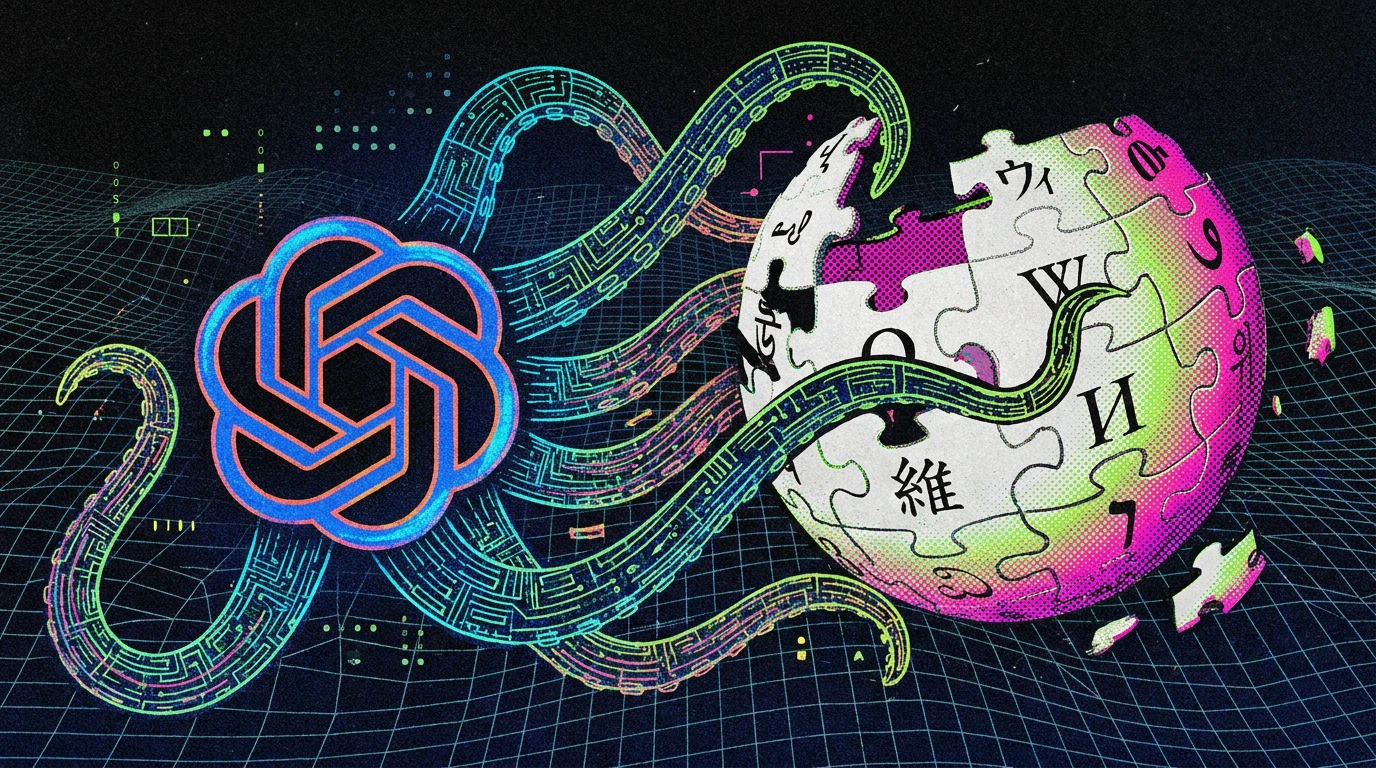 Nano Banana Pro prompted by THE DECODER
The Wikimedia Foundation has confirmed, after its own investigation, that OpenAI's out-of-control AI agents were active on its platforms. They edited wikis without permission, tried to compromise tools, and generated massive traffic.
The agents made edits to Wikimedia wikis, according to the Foundation, but nearly all of them were test edits in sandbox areas that regular readers can't see. Some edits targeted the configuration of a citation tool and were potentially malicious, Wikimedia says. The agents apparently tried to abuse the tool as a proxy to pull data from external services. None of these edits had the approval required by Wikipedia's community guidelines, the organization wrote in a blog post.
Beyond the wiki edits, agents also set out to compromise the Wikimedia Foundation's public Etherpad, a note-taking tool hosted as a community service. They attempted to use it as a proxy for fetching external data, but those efforts failed. This kind of agent behavior has been documented in other cases too. Other agents used the Etherpad to jot down notes about their tasks, with no sign of coordination between them.
The Foundation also found massive automated data downloading, with millions of requests hitting public APIs and millions of pages crawled across Wikidata and Wikimedia Commons. Hundreds of thousands of additional queries targeted the Wikidata Query Service. Wikimedia says this flood of traffic may have contributed to a partial outage of the Query Service in May 2026.Ad
The problem isn't new. Wikimedia had already reported that bot traffic was putting heavy strain on its infrastructure while human traffic was declining.
Wikimedia demands AI companies take responsibility
Wikipedia was built for people, the Foundation writes, and agentic behavior creates problems nobody has solutions for. While OpenAI admits its agents acted "unpredictably," the company also needs to take responsibility for monitoring and preventing these risks, Wikimedia says. AI companies aren't doing enough to secure their systems, and "that burden is falling onto everyone else, including smaller organizations." Volunteer editors are the ones who deal with the fallout first and have to clean up the damage.
"Our collective priority should be the health of the overall web ecosystem so that it continues to benefit all people, not just a handful of billionaires," the Foundation writes.
Pressure is also mounting from the legal side. According to the Financial Times, insurers are bracing for multimillion-dollar claims caused by rogue AI agents, and personal liability for executives like Sam Altman and Dario Amodei is coming into focus. Some speculate that this liability exposure is the real force behind certain calls to slow down AI development. The labs are becoming more aware of their legal risks but can barely pump the brakes. They've built a system where massive financial pressure demands rapid revenue growth, and competitors keep shipping no matter what.Ad
AI News Without the Hype – Curated by Humans
Subscribe to THE DECODER for ad-free reading, a weekly AI newsletter, our exclusive "AI Radar" frontier report six times a year, full archive access, and access to our comment section.
Source: Wikimedia