
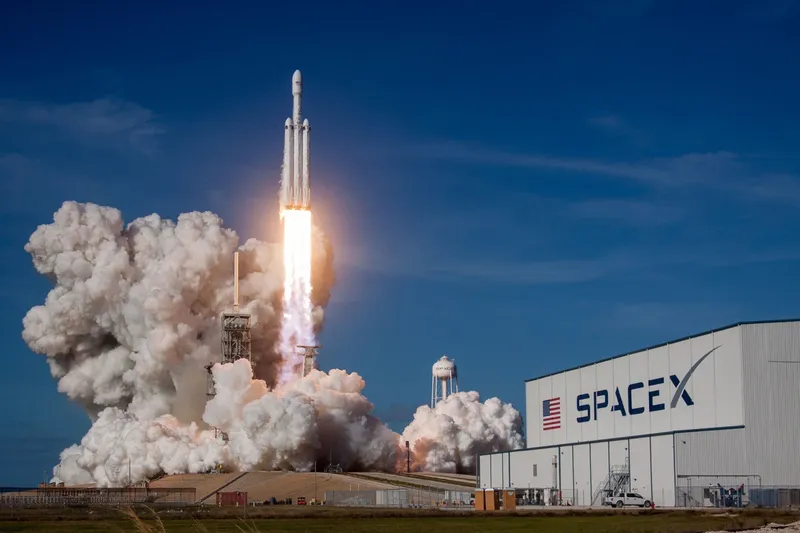
IT之家 News on October 7: According to the Financial Times, Elon Musk's SpaceX is planning to raise $40 billion (ITHome note: approximately RMB 268.579 billion at current exchange rates). This funding round is led by Apollo Global Management, with the funds to be used to purchase NVIDIA chips. The company, which is involved in both artificial intelligence and rocket businesses, is increasing its investment and betting on the chipmaker's advanced technology.
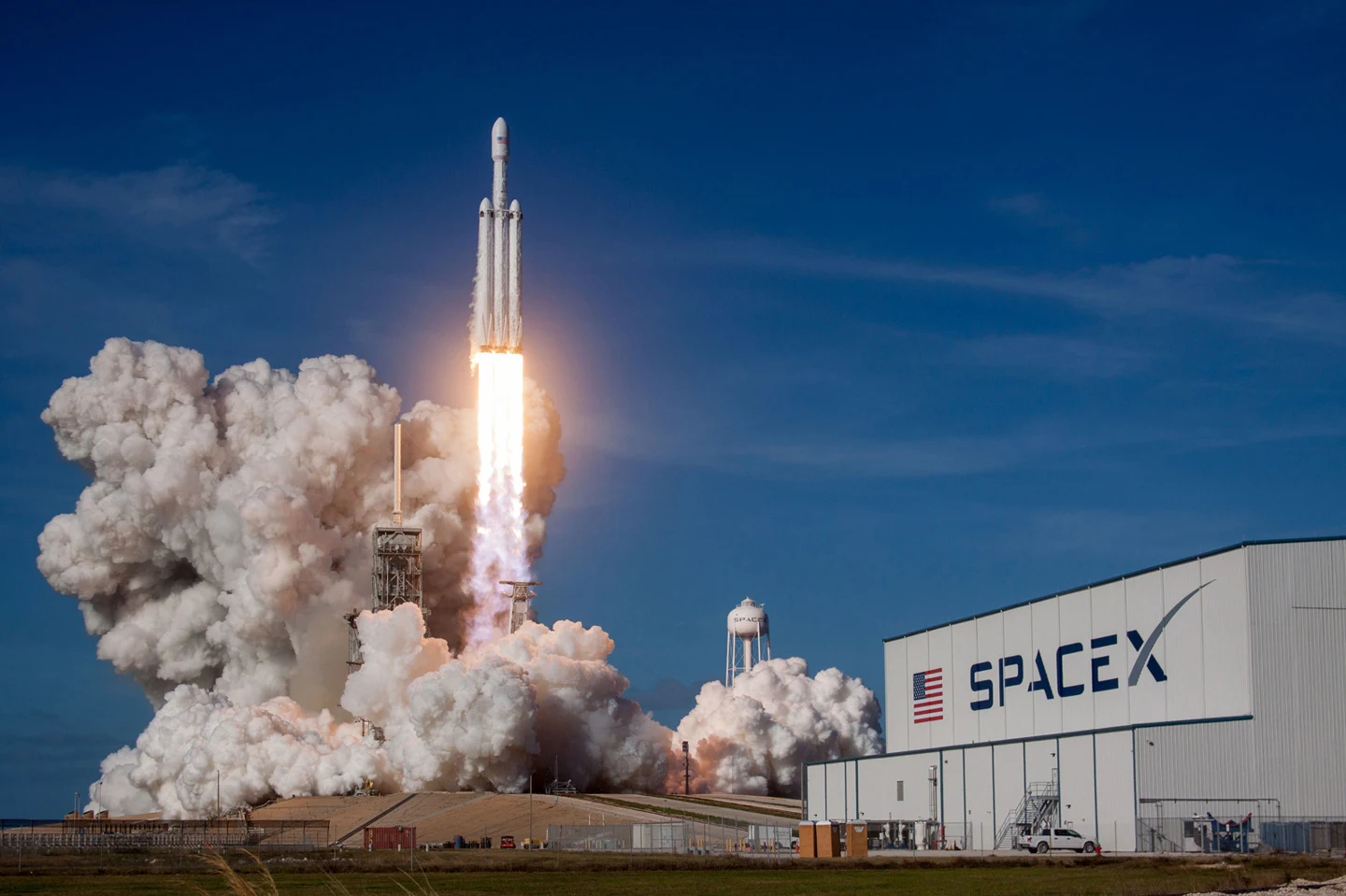
According to people familiar with the matter, the company plans to raise about $10 billion (approximately RMB 67.145 billion at current exchange rates) through bank loans, and then issue $30 billion (approximately RMB 201.434 billion at current exchange rates) in investment-grade bonds, to fund this massive chip purchase order.
People familiar with the matter said that the private capital group Apollo is expected to lead the transaction and help sell the bonds to a broad group of investors. Pacific Investment Management Company (Pimco) is also among the few lenders currently in talks to participate in the funding. The deal is expected to be completed in 2027.
SpaceX's financing plan shows that the market is currently raising huge sums of money to invest in the data centers, chips, and other infrastructure that support the development of artificial intelligence.
Thanks to its BBB credit rating (second-lowest tier of investment grade), insurance companies and pension funds can purchase SpaceX's bonds. Such funds generally rarely allocate to junk-rated bonds.
Previously, Musk had stated that he would continue to use NVIDIA's technology extensively in his artificial intelligence projects. If this financing comes to fruition, the partnership between SpaceX and NVIDIA will deepen further. For NVIDIA, this is also a positive development, as a growing number of chipmakers are trying to challenge its dominance in high-end semiconductors.
"We decided to build entirely on NVIDIA because we believe the Vera Rubin architecture is the best architecture," Musk said at SpaceX's August (8) earnings call when discussing NVIDIA's cutting-edge AI platform. "We believe it is the best-performing AI computing system, and we greatly value the close collaboration and partnership we have with NVIDIA on multiple levels."
SpaceX received an investment-grade credit rating shortly after completing its $86 billion (approximately RMB 577.444 billion at current exchange rates) initial public offering in June. Less than two weeks later, the company issued $25 billion (approximately RMB 167.862 billion at current exchange rates) in high-grade bonds. But in the days that followed, the bonds saw a sell-off, as the market worried about the company's rising debt and enormous capital expenditures.
MarketAxess data shows that SpaceX's bonds maturing in 2056 are currently trading at about 85 cents on the dollar (approx. 5.7 RMB at current exchange rates), yielding about 2.27 percentage points more than US Treasuries, a yield level approaching junk bonds.
In the past, Musk's limited financial disclosure made some investors reluctant to invest in SpaceX's bonds.
Previously, SpaceX approached some investors hoping to raise funds for this multi-billion-dollar chip purchase project. The investors said that at the time they were only given a brief two-page project memo; the memo featured images of outer space, with only a single arrow annotation explaining that the company planned to build data centers "somewhere in the universe."
One person involved said: "How are we supposed to submit this kind of material to the internal investment committee (IC) for approval?" The internal investment committee here refers to the internal body responsible for approving various transactions.
Apollo's credit business has a total scale of 800 billion USD (approx. 5.37 trillion RMB at current exchange rates), and lending to highly rated companies has become a major pillar of this business. The company has led several multi-billion-dollar financing deals, with partners including Intel and Bayer. Apollo's life insurance and annuity subsidiary Athene typically subscribes to a large portion of these bonds.
In June this year, Apollo also led a $35 billion (approximately RMB 235.006 billion at current exchange rates) chip financing deal to purchase processors from NVIDIA's rival Broadcom. That deal was at the time the largest private credit transaction.
In August, NVIDIA announced that it was building a 500 billion USD financing platform (approx. 3.36 trillion RMB at current exchange rates) with several leading Wall Street institutions; it has signed memorandums of understanding with Apollo, BlackRock, Blackstone, Brookfield, Goldman Sachs, and KKR.
The consortium plans to set up third-party funding pools to purchase NVIDIA chips and expand AI infrastructure construction, thereby helping smaller customers reduce borrowing costs; NVIDIA may provide credit backing for up to 25% of the chip value.