
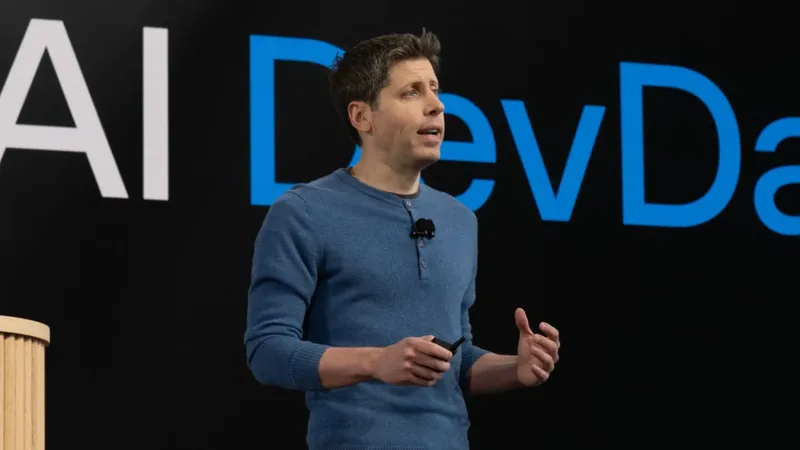
IT Home On October 7, OpenAI announced in a document containing 722 manuscripts and covering 372 family of results that a unreleased cutting-edge model solved several long-standing mathematical problems.
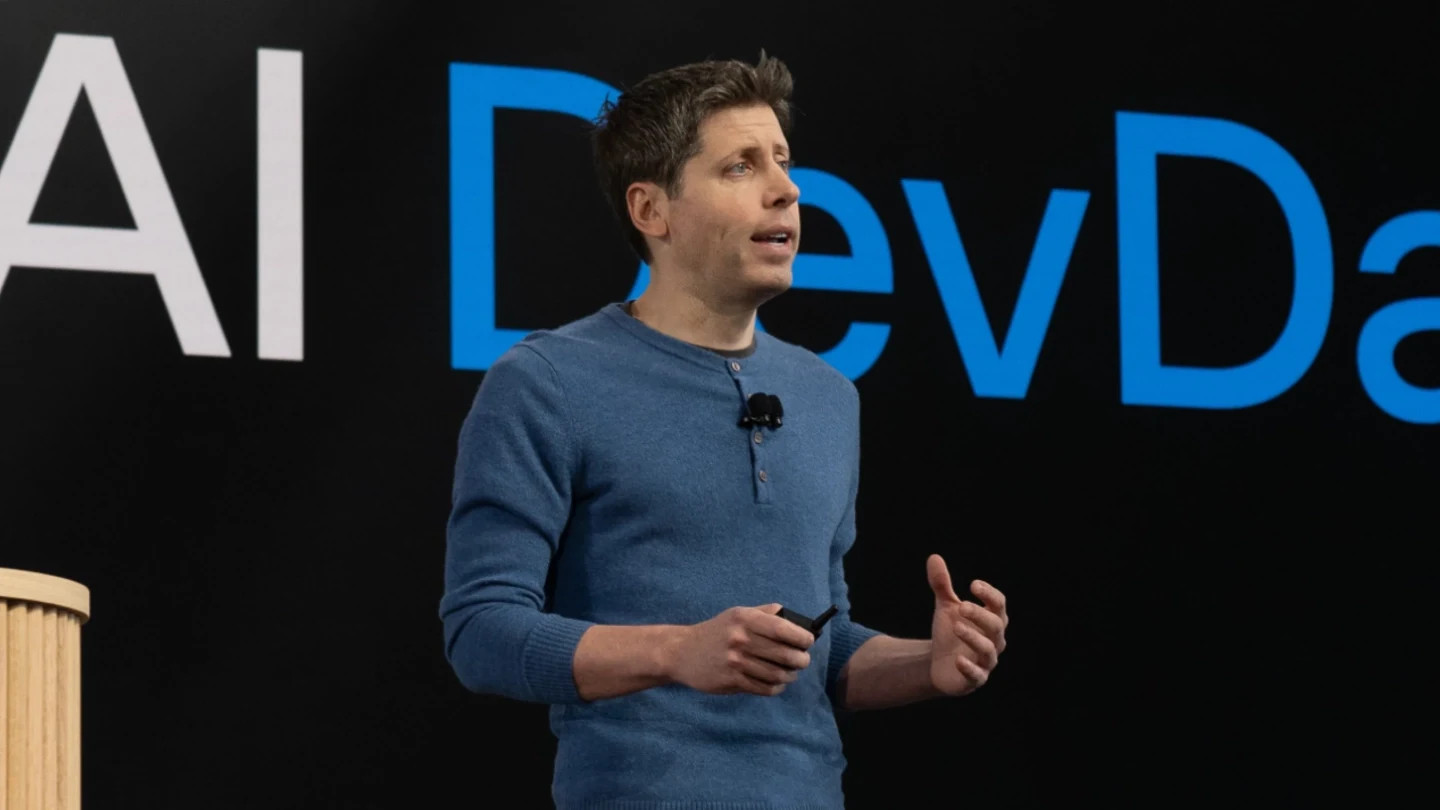
IT Home noticed that this initiative continues its series of groundbreaking achievements. These achievements have left some people in the mathematical community deeply impressed, but also raised concerns, and have raised questions regarding research ethics and academic behavior. According to the newly established elite mathematician independent advisory group AGMAI, which is responsible for conveying these achievements in a responsible manner, the published content includes answers to “hundreds” of unresolved problems.
For several weeks, the outside world has been looking forward to these results. However, before that, OpenAI never specified exactly what problems the model had solved, nor did it provide a definite release date. In September, the company said that its model “had resolved over a hundred long-standing unsolved public challenges across most branches of mathematics.” The released document and related materials also include summaries of the model’s reasoning process, estimates of computational resources used, and statistics on the number of problems attempted to be solved. OpenAI says that the computing power required for a typical achievement is roughly equivalent to the computing power of ChatGPT Pro when it thinks continuously for three hours.
The Advisory Group on Mathematics and Artificial Intelligence (AGMAI) released the first set of recommendations in late September. The group urges artificial intelligence laboratories to publish mathematical research results promptly through established academic channels, and should also disclose detailed information such as the names of the models used, prompt words, and computational costs. The group also earnestly advised artificial intelligence companies, “not to use the release of mathematical results as a marketing tactic to promote their models”; the organization believes that such practices would cause serious damage to the entire mathematical community.
OpenAI described the release workflow like this:
For this release, we will publish the results in a GitHub code repository, and have established guidelines for revising and citing the manuscript. We will also continue to explore other publishing options managed by academic communities to align with the various guidance suggestions provided by the advisory committee. For future versions of the release, we promise to further improve the quality of the manuscript, optimize the citation situation, the explanation of mathematical content, and the presentation format, so that it is easier for everyone to understand.
Mathematicians also need to evaluate, analyze, and digest these findings. Therefore, the full impact of this research may take some time to become apparent.
Previously, competing laboratories such as OpenAI and Anthropic have produced a batch of mathematical results with rapid growth in quantity. The entire mathematical community is still in the process of integrating these results, including the outcomes related to a Millennium Prize problem, which is one of the most well-known unsolved problems in mathematics.
This year, various artificial intelligence laboratories have rapidly entered the field of mathematics. In particular, the way they announce their findings has sparked intense debate. The topics include research paradigms, ethical norms, and how companies should thank human mathematicians. Artificial intelligence systems are based on the work done by human mathematicians, and it is possible that new results can be generated based on these previous efforts.