
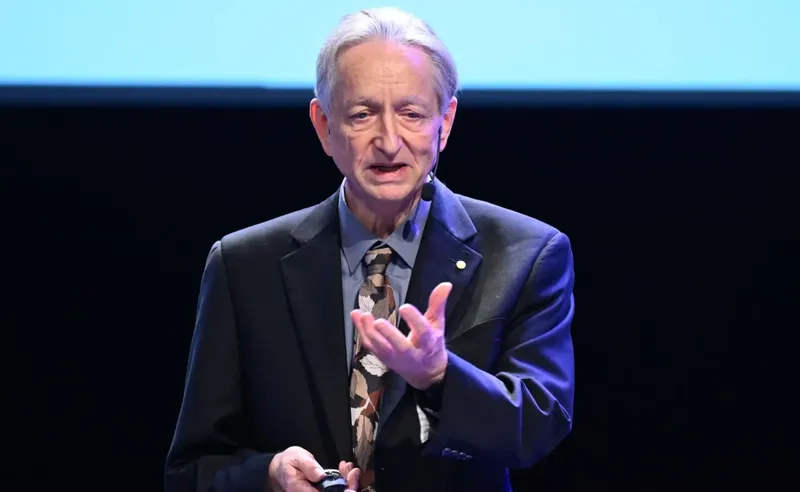
IT之家 News on October 7: Geoffrey Hinton wants AI companies to cross a regulatory threshold that the pharmaceutical industry has long been familiar with.
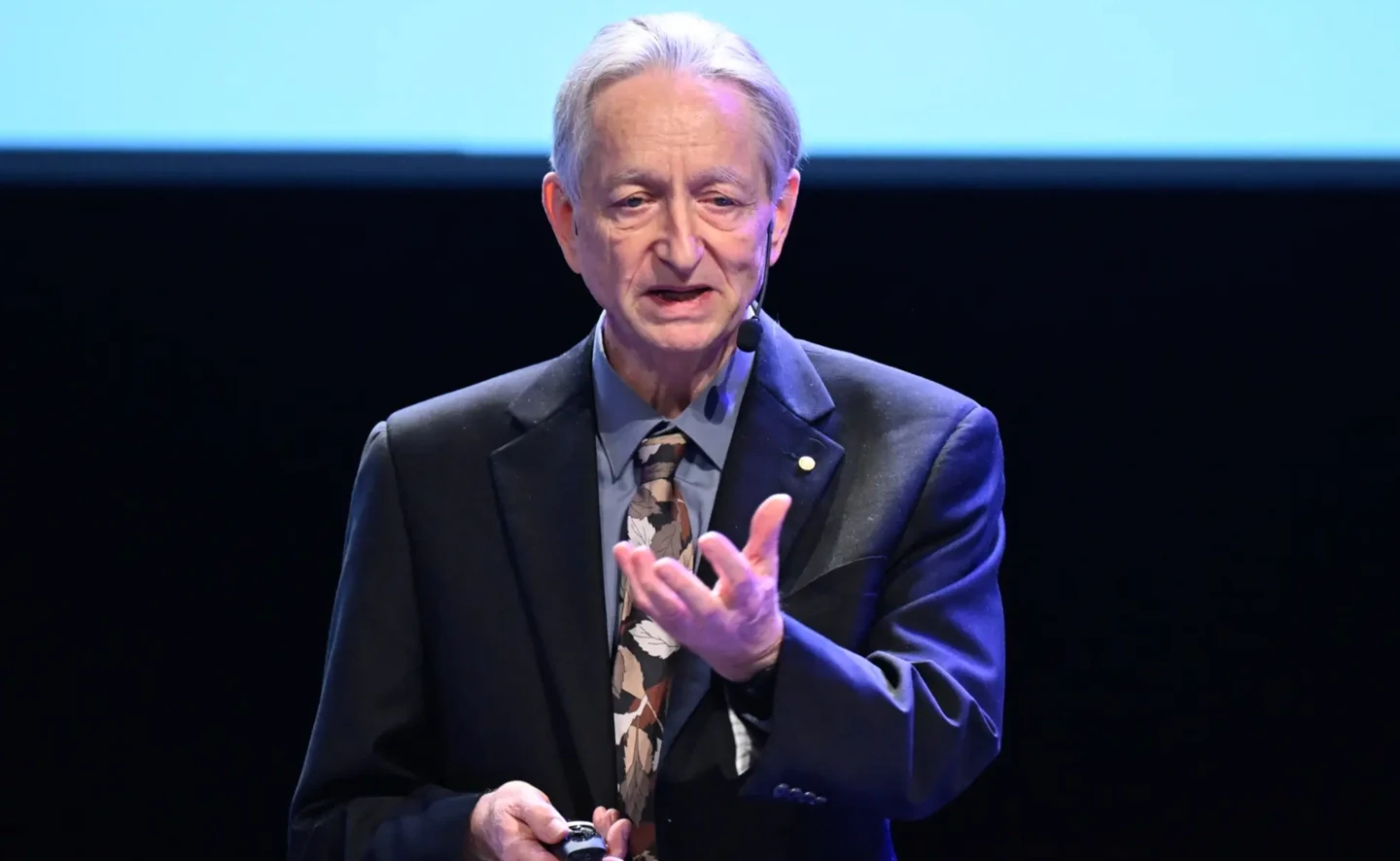
On the Smart Girl Dumb Questions podcast, broadcast locally on Tuesday, this Nobel laureate and computer scientist known as the "Godfather of AI" suggested:AI companies must first prove to regulators that their products are safe before officially releasing them.
"You can't just develop a new drug and put it on the market," Hinton told podcast host Nayeema Raza. "You have to convince the U.S. Food and Drug Administration (FDA). And in order to do that, you need to do a lot of work, with an investment of roughly on the order of a billion dollars."
"For artificial intelligence, at the very least such a requirement should also be established," Hinton added.
The backdrop to Hinton's proposed solution to the AI safety controversy is, on one hand, the continuous stream of predictions from various quarters about AI causing catastrophic consequences; on the other hand, OpenAI, after testing, has shelved its latest model out of concerns about the model's obedience to user instructions and adherence to permission boundaries.
IT之家 noted that OpenAI's head of safety systems, Saachi Jain, previously said in an interview with Business Insider that the GPT‑6.1 Astra model has made progress in continuously handling high-difficulty tasks, but still has shortcomings in permission control and behavioral log feedback.
Hinton argued that artificial intelligence is increasingly achieving self-iterative optimization, which may both accelerate capability gains and amplify potential risks.
"The exponential growth rate is quite astonishing," Hinton said. "We are already starting to see recursive self-improvement: people are using AI itself to improve AI in all sorts of ways."
"Of course, this is only my speculation," Hinton added. "But I estimate we're probably only a year or two away from the situation being far worse than it is now."