
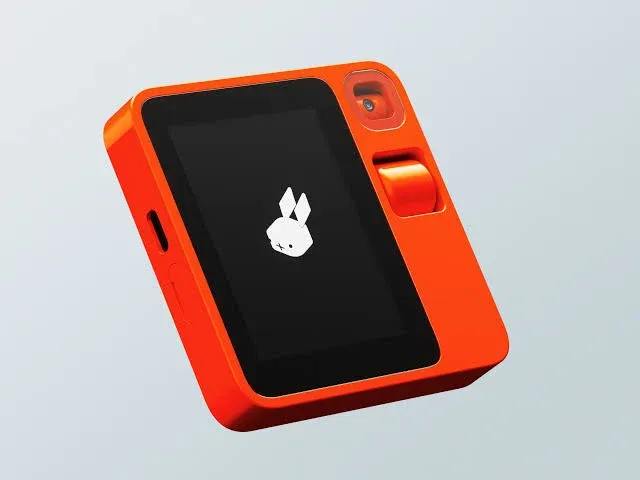
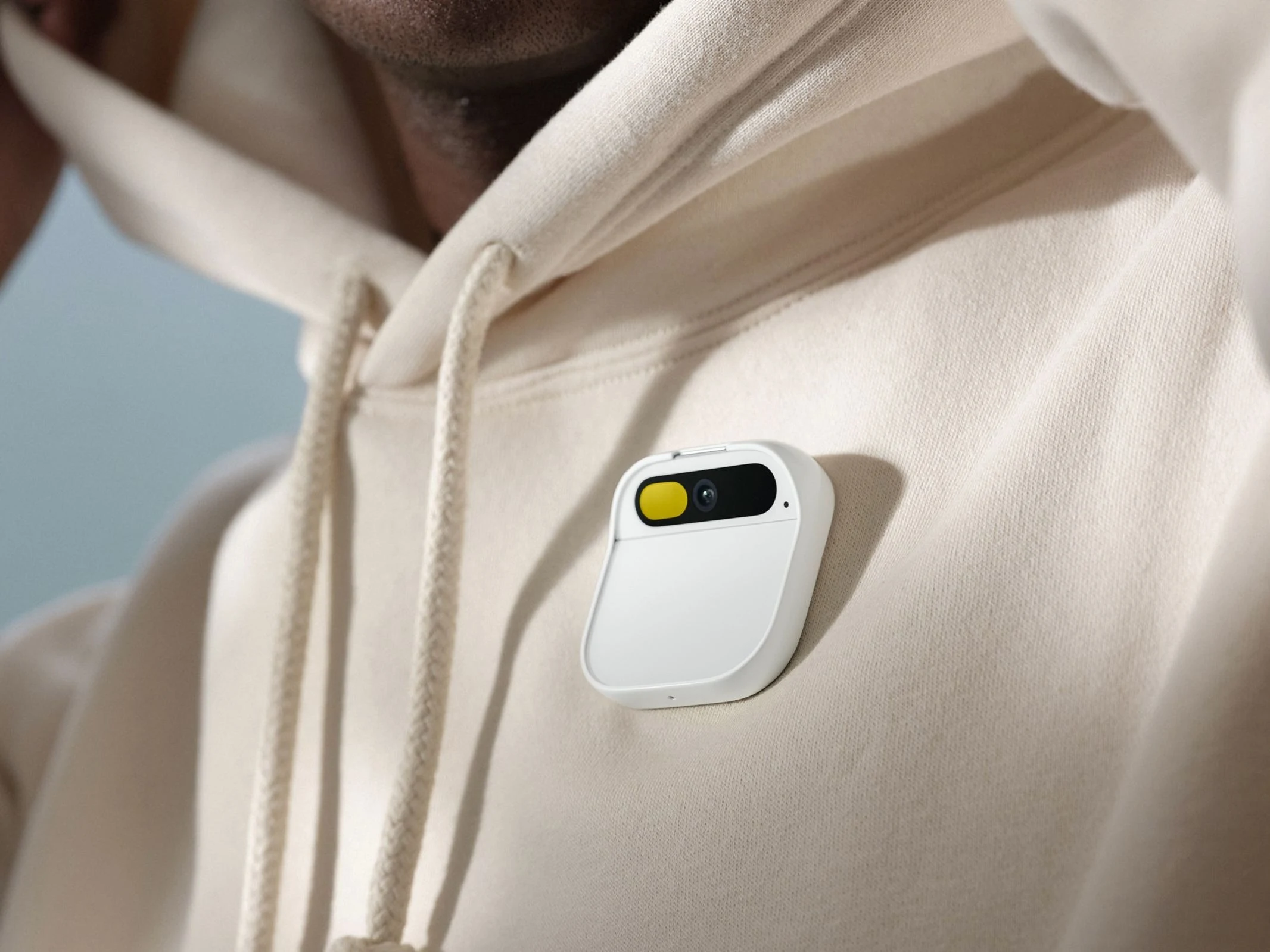
IT Home On October 7, Tony Fadell, known as the “father of iPod”, recently gave a speech at the first MIT Future Festival. When he stepped onto the stage, he showcased three highly sought-after first-generation AI devices: Rabbit R1, Humane AI Pin, and Limitless Pendant, and said: “The companies behind these products have reached out to me hoping I could give them some advice, but I have refused all of them.”
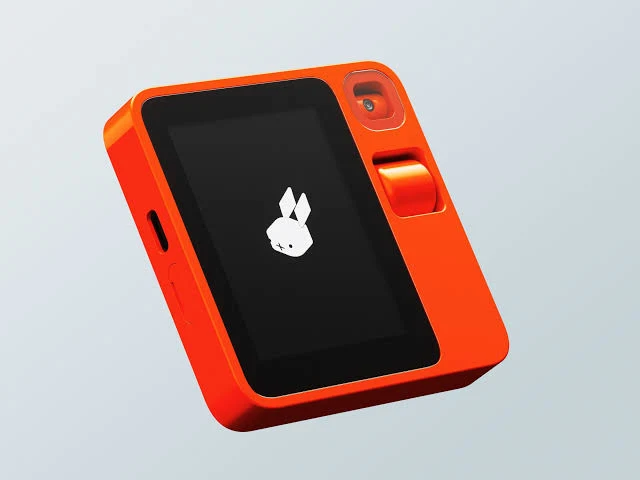
Tony Fadell said: “The reason these devices fail is simple—they really don’t meet any actual needs. Geekers might find these little gadgets interesting, but regular users will only think they’re cool, but they have nothing to do with my life. So you must truly understand what you want to do and what pain points you need to solve.”
According to IT Home, these AI devices claim to offer an experience similar to that of a personal assistant, but the actual experience is not ideal. Even if they are as impressive as the manufacturers say, most people have never had a secretary or assistant, do not know how to use these “robot assistants”, and are even less aware of how to build a trust relationship with an AI.
Faddel explained: “I spent several years at first to really learn how to use assistants well, and only then did I give them the most sensitive data, so they could act as true agents—helping me arrange meetings and handle banking matters. I understand that entrepreneurs have grand visions, but there is still a long way to go before ordinary consumers can accept them.”
Today, building trust with an AI assistant seems more difficult than with a human. Meta recently introduced the Muse agent, but security experts have identified serious security vulnerabilities.
“When we give some kind of intelligence to handle tasks, trust and security become the most important issues,” Faddel said. “For now, I think the only company that might be able to do this, maybe there is another one too, is Apple. Apple has all the hardware, chips, and everything needed, but it doesn’t have complete AI capabilities.”