
IT Home On October 8, Sega clearly stated that it will not let AI handle game creative work, and will use AI in game development with a “very cautious” approach.
On the 6th local time, Saito Tsuyoshi, senior executive officer and deputy chief business officer of Sega, said in an interview with the Nihon Keizai Shimbun that although the company is actively applying AI to some operations, it is still very cautious about expanding its use. “We use AI to improve the efficiency of departments such as game distribution and corporate management, and also to develop business strategies. During game development, we are very careful with AI usage and will not leave game creative work to AI.”
SEGA previously established the “Generative AI Committee” to develop tools, establish usage guidelines, and review whether Steam store pages comply with regulations. Last year, SEGA revealed the existence of this committee for the first time during a speech at the CEDEC Game Developer Conference.
According to Japanese media outlet 4Gamer, considering the different views on generative AI across the world, the committee has also included personnel from Sega’s public relations and legal departments in its management.
It is worth noting that Sony Computer Entertainment previously confirmed the use of AI in some game development, which has caused various reactions.
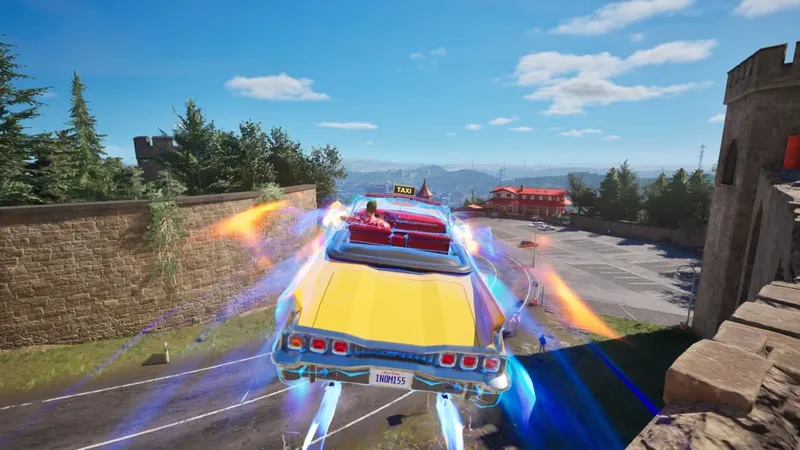
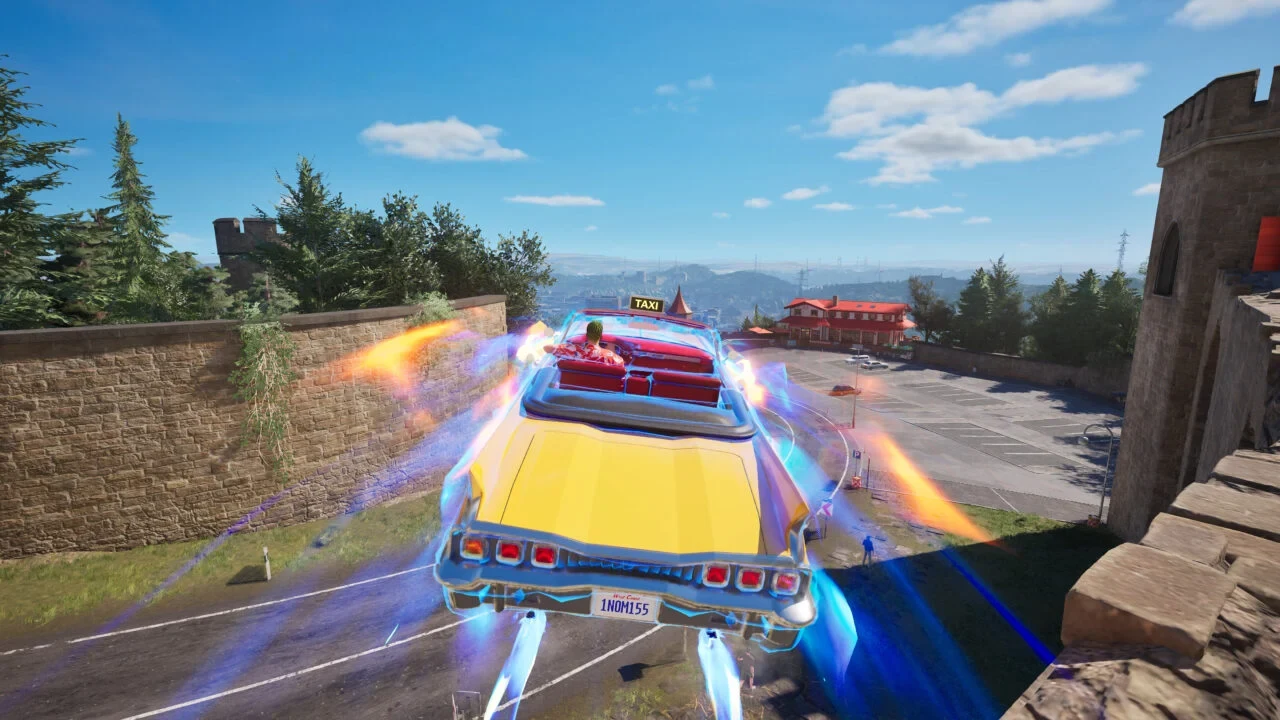
According to IT Home, earlier this year Sega confirmed that during the early development phase of “Crazy Taxis: Speed Tour”generative AI was used in research, but AI was not used at all for the actual creation of game art materials.
Also earlier this year, the development team for the large multiplayer online game “Dream Star OL2: New Origin” confirmed that AI is used not only to improve development efficiency, but also for the dialogue features in the game. Players can receive real-time responses from AI after sending messages.
There are still disputes in many parts of the world regarding how to use AI to generate content, and governments, artists, and companies are still discussing how to handle it. Japan announced in 2023 that using data sets to train AI models does not violate copyright law, even for commercial purposes.
Related Reading: