
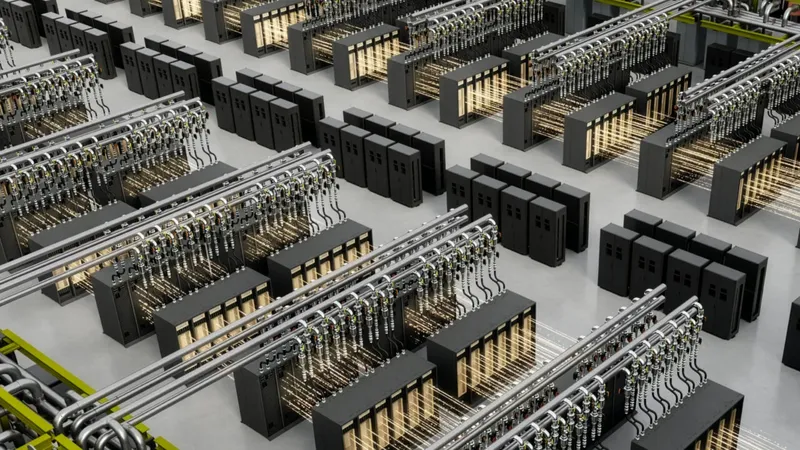
IT Home On October 12, NVIDIA issued an announcement yesterday (October 12) at the Open Compute Project (OCP) Global Summit, where NVIDIA announced the opening of Vera Rubin rack and compute tray designs,and released multiple open standards for AI infrastructure together with Cisco, Google, Meta, Microsoft, Visionbay and others.
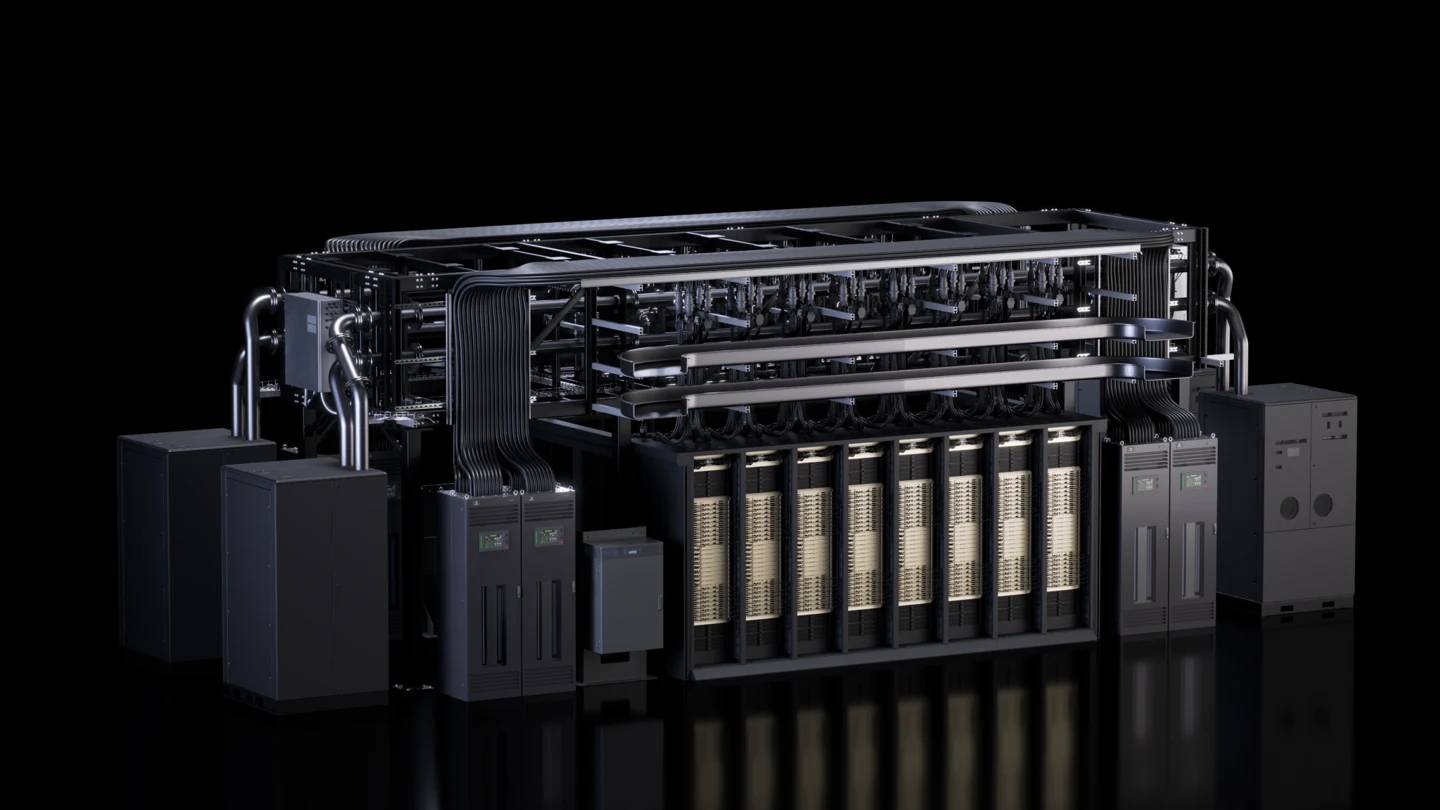
At this OCP Global Summit, NVIDIA announced that, through the open NVIDIA MGX architecture, it is contributing Vera Rubin rack and compute tray designs to the Open Compute Project (OCP). System vendors can use these to develop infrastructure for next-generation AI factories.
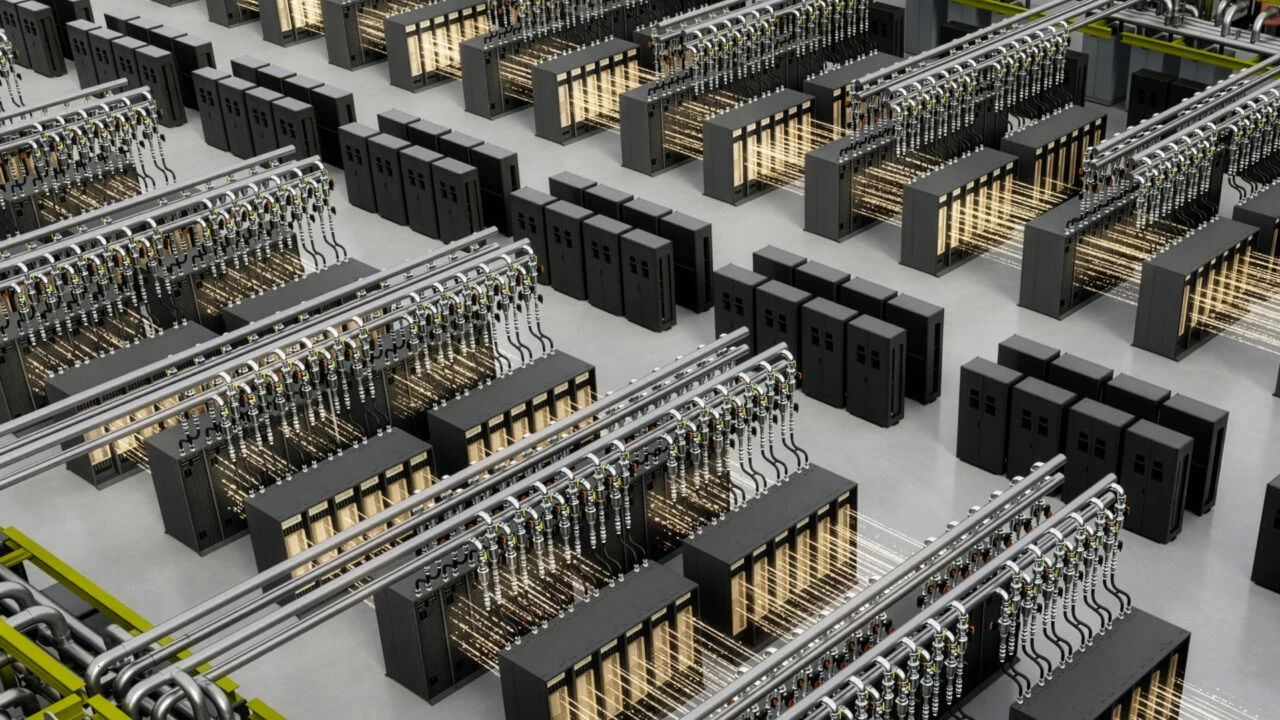
The updated MGX 1.2 specification adds rack-level blind-mate liquid cooling, interoperable rack interconnects, a liquid-cooled 5000A busbar, and native 19-inch device support. According to the blog post cited by IT Home, the architecture supports rack deployments of up to 250kW and simplifies assembly, testing, maintenance, and deployment processes.
NVIDIA also released 4 open-source software components for the DSX AI Factory, covering switch configuration, GPU cluster stress testing, rack firmware management, and bare-metal deployment. These components draw on NVIDIA DGX Cloud operational experience and can help cloud providers deploy hardware into production clusters within hours.
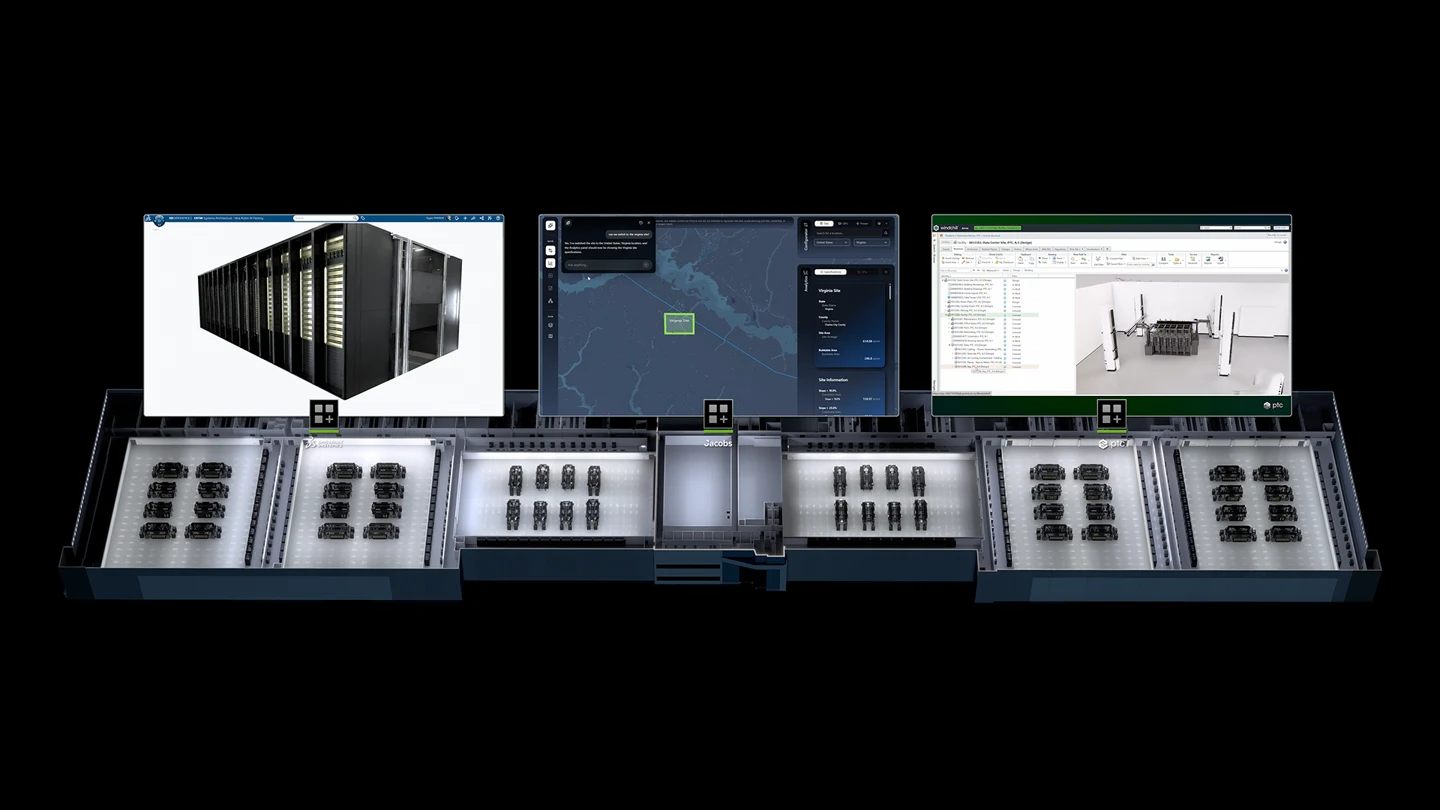
In terms of collaboration, NVIDIA also announced that, together with AMD, Google, and Meta, it has released the Open Data Center Specification v0.7 to unify power, cooling, and physical layout design for AI factories.
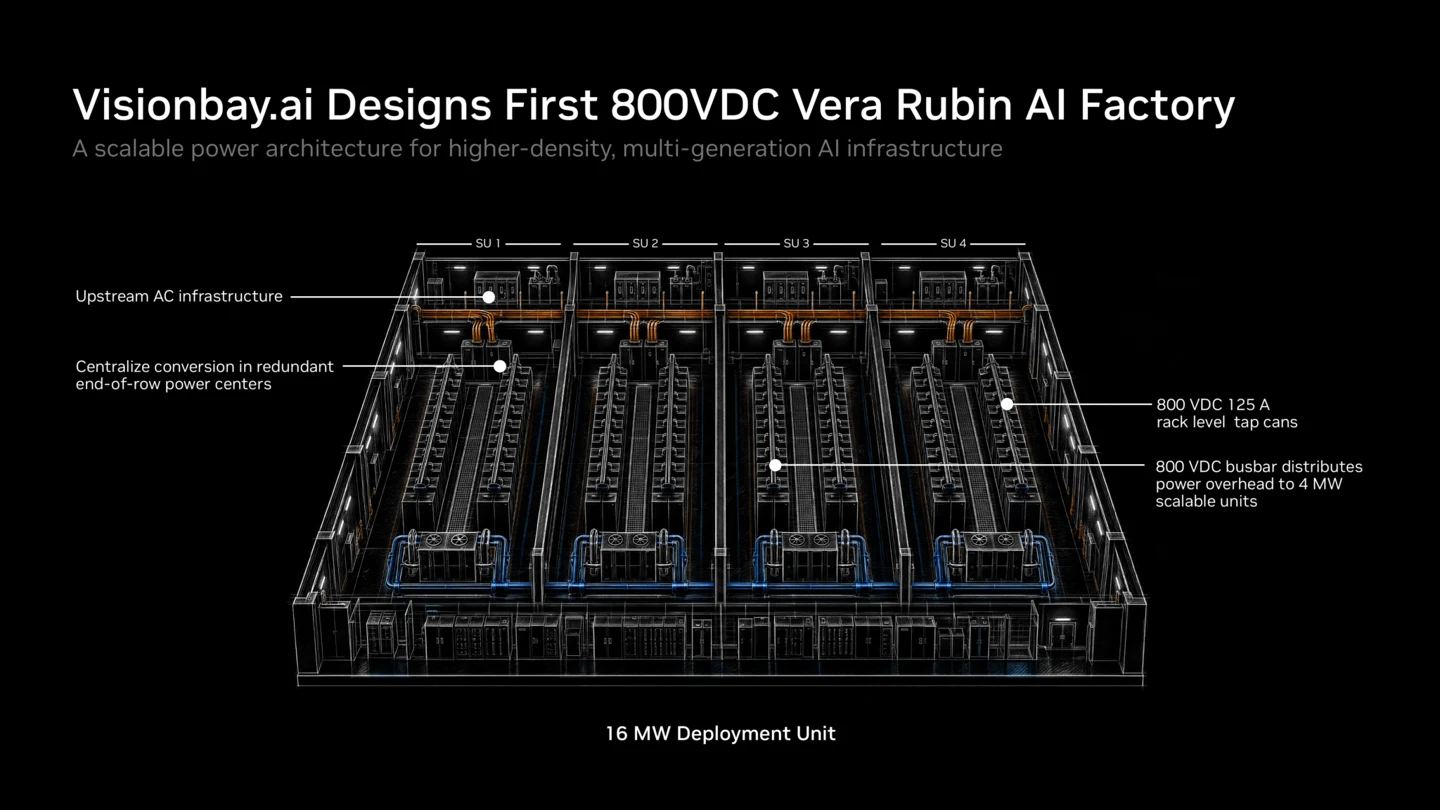
Google, Meta, Microsoft, and NVIDIA also released a grid resilience specification requiring large-scale AI facilities to stay connected during grid disturbances and recover to near full load in less than 2 seconds.
Meta will adopt NVIDIA Spectrum-6 102.4Tb/s Ethernet switches to build a Vera Rubin AI factory based on open networking. Spectrum-6 delivers 2 times the switching capacity and per-lane bandwidth of Spectrum-4, and combined with Spectrum-X Multiplane technology, can support clusters of more than 100,000 GPUs.
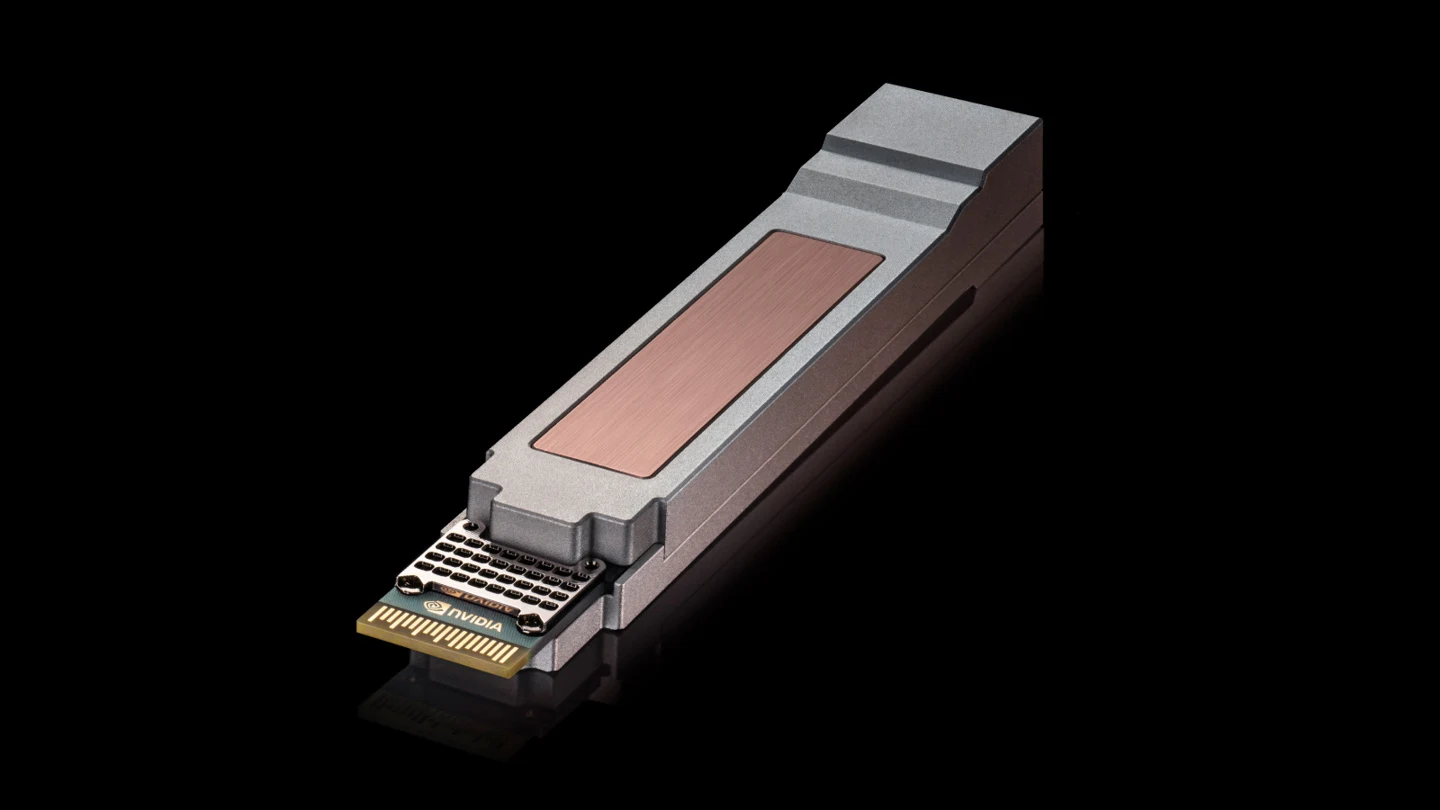
NVIDIA and Cisco released the USFP standard, the industry's first pluggable optical module for 400Gb/s network architectures. USFP provides 16 full-duplex lanes in a form factor close to OSFP, with 4 times the bandwidth density of traditional 200Gb/s single-lane pluggable optical modules, and roughly 1.3 times better energy efficiency.
NVIDIA and Google announced that the upcoming ConnectX-10 SuperNIC and BlueField DPU will support Falcon Transport to improve the reliability and bandwidth utilization efficiency of Ethernet AI networks.