
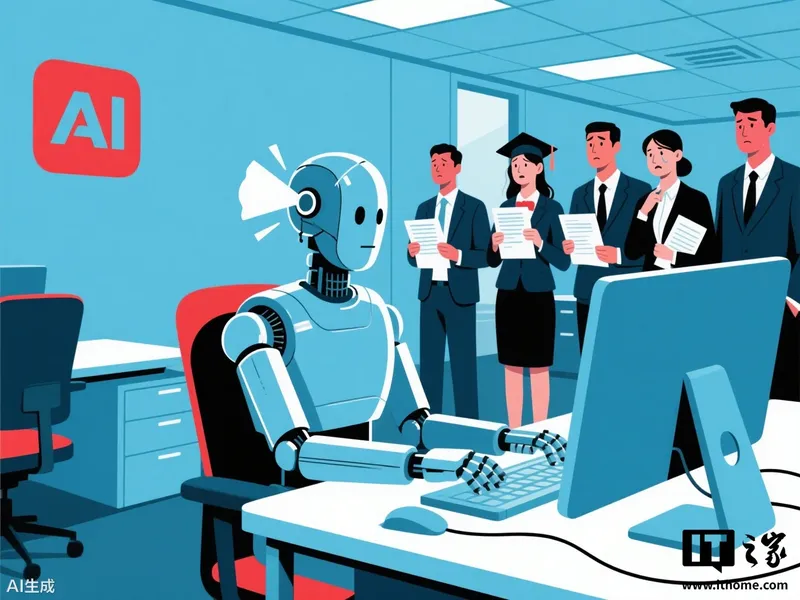
IT Home October 14 news: According to Reuters, on the 13th local time, Philip Lane, chief economist of the European Central Bank, said that the increasing use of AI by companies in the eurozone might weaken workers’ power to negotiate raises. At the same time, large investments in AI by companies could also significantly tighten the financing environment.
Affected by high energy prices, inflation rates in the eurozone are nearly twice the ECB’s target of 2%. Policy makers have been concerned about whether inflation will have a second-round effect, but so far no obvious signs have been found, especially since wage increases have not been further pushed up.
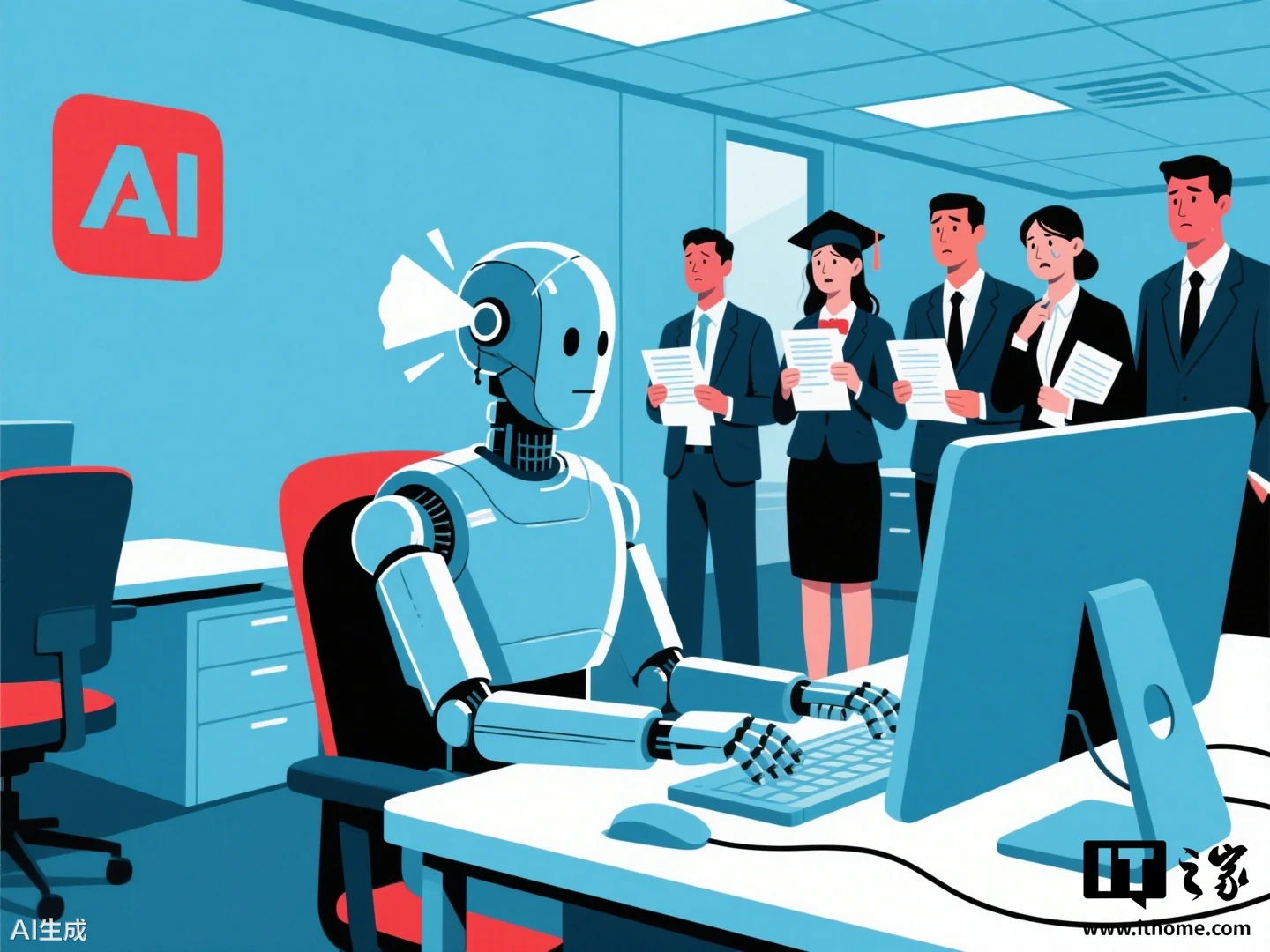
When giving a speech in Dublin, Ryan pointed out that AI has not yet changed the overall employment trend. However, companies' willingness to hire workers is low, making it more difficult for employees to compensate for the losses caused by high inflation through wage increases. This may be one of the reasons why inflation remains high while wage growth gradually slows down. “AI may replace some workers, thereby further weakening their bargaining power, suppressing wage growth, and reducing the proportion of labor income in total income.”
Lain also pointed out that global companies are borrowing heavily to invest in AI, which has increased overall borrowing costs. As a result, the financing environment has tightened, and the impact is significant enough not to be ignored. “This impact spreads to the eurozone bond market, and the rise in long-term interest rates has significantly tightened the financial environment in the eurozone. The European Central Bank needs to consider this factor when deciding on its monetary policy stance.”
According to reports from IT Home, the European Central Bank has previously raised interest rates repeatedly in order to prevent high inflation from persisting for a long time. Some economists believe that if the overall financing environment tightens, the European Central Bank may not need to take such strong measures to control price increases.
Lain also pointed out that AI may also improve the potential economic output and trend growth rate over the long term, allowing the economy to maintain a faster pace of growth. “For Europe, AI could offset the impact on the economy caused by the expected continuous decline in the working-age population, which is particularly valuable.”