
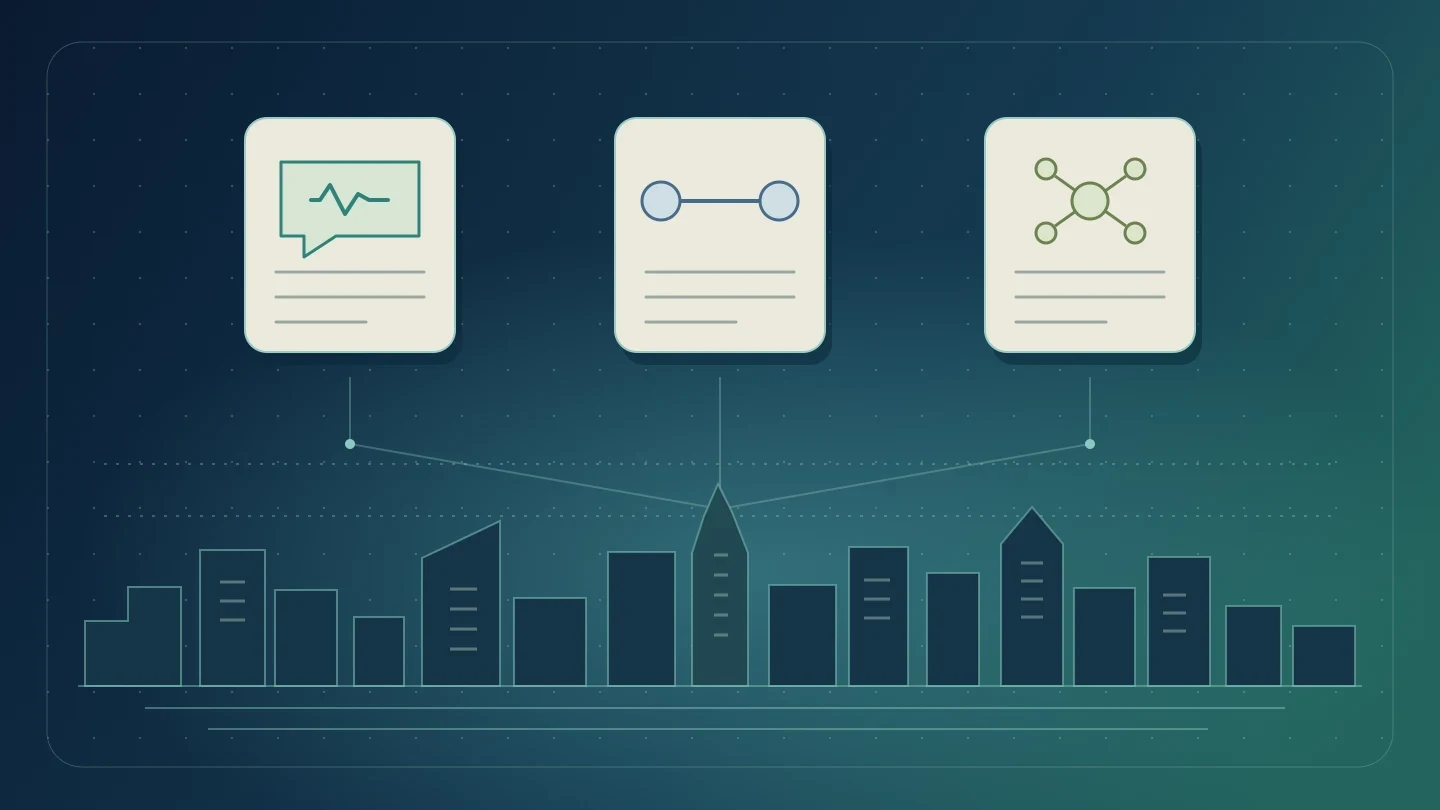
Original SPKE illustration of Shenzhen’s skyline and three separate records: plenary speeches, the bilateral readout and the APEC outcome.
The November 18–19, 2026 APEC meetings in Shenzhen produced three different public records on AI: the two leaders’ speeches, China’s account of their bilateral meeting, and a text endorsed by APEC leaders. The distinctions matter. A president’s speech is not a regional commitment, and a pledge to establish a channel is not proof that it is functioning.
In the plenary: deploying AI versus regulating it
At the November 19 leaders’ meeting, Xi put AI alongside the digital economy as a source of growth. He called for stronger digital infrastructure, better data governance, secure cross-border data flows and an innovation environment that would help AI spread across industries. That continued the theme of his November 18 business-summit speech, which called for closer AI cooperation. China’s announced US$20 million contribution was for practical APEC cooperation overall, not a dedicated AI fund. Xi’s plenary address · Business-summit address
Speaking at the leaders’ meeting, Trump called AI “super intelligence.” He described it as a source of economic growth and said its harmful aspects required care. At the same time, he rejected what he called “globalist regulation” that would control or stifle its development. Opposition to that kind of regulation is not the same as saying there are no risks to manage. Reuters footage from the meeting
In the bilateral meeting: who stays in control?
In the afternoon meeting, according to China’s Foreign Ministry, Xi called for closer US–China coordination on AI safety and said AI should remain under human control. The Chinese readout also attributed to Trump a call for cooperation in areas including super intelligence. It describes what the leaders said; it is not a joint AI agreement. Chinese Foreign Ministry readout
There was already a proposal to turn that cooperation into something practical: a direct channel to flag serious incidents involving advanced models. The two governments agreed to establish a channel in September. In remarks released November 11, US Treasury Secretary Scott Bessent described that work as still under way. The Shenzhen material reviewed here did not confirm it was operational. September outcomes · US Treasury remarks
In the APEC text: jobs, services and small businesses
Paragraphs 12–14 of the 2026 APEC Leaders’ Shenzhen Outlook continued work under the existing 2026–2030 APEC AI Initiative and endorsed a statement on digital and emerging technologies for employment and prosperity. The text focuses on practical uses: healthcare and other public services, accessible digital tools for small businesses, infrastructure, digital skills and workforce training. It also recognises privacy and misuse risks. This is a multilateral agenda, not a new US–China AI treaty or a change to chip-export rules. APEC Shenzhen Outlook
The most concrete thing to watch next is whether the incident channel gets named points of contact and a procedure for reporting a serious event. That would make the bilateral pledge testable. It would not mean the two countries had agreed on how to regulate AI.