
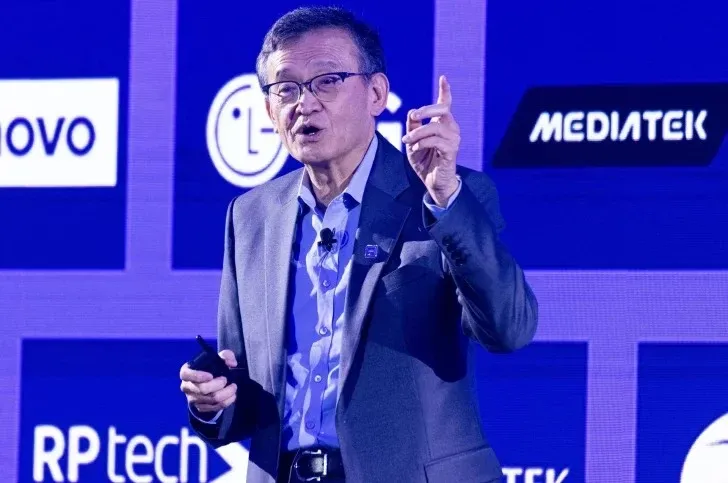
IT Home On October 13, Intel CEO Lip-Bu Tan believes that in the next two to three years, the artificial intelligence industry will still face hardware shortages.
Chen Liwu expressed these views at a meeting held by DBS Bank in Singapore. At the meeting, he discussed the biggest demands in the field of artificial intelligence and his outlook on quantum computing. As the CEO of Intel, he is one of the executives in the industry who are highly aware of technological trends. He pays close attention to several high-growth areas, including next-generation chip manufacturing processes and new materials.
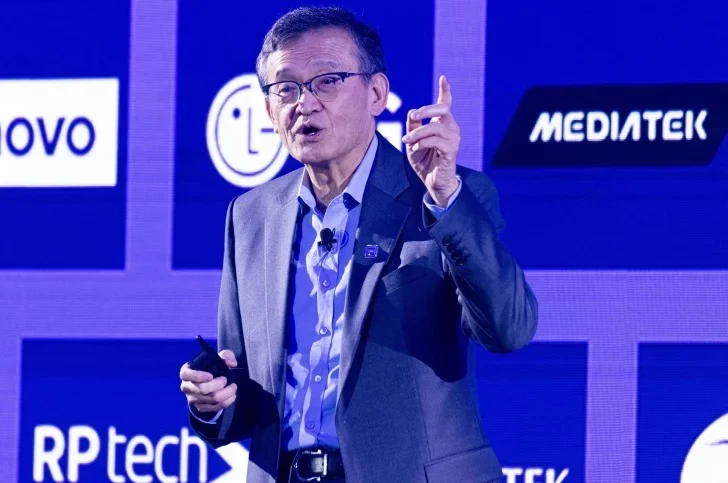
With the widespread use of AI applications, demand for CPUs rather than GPUs has increased, which also helped Chen Liwu drive Intel’s recovery. For example, revenue from Intel’s data center and artificial intelligence business units increased by 59% year-on-year in the second quarter. When interpreting Intel’s Q2 financial report, Chen Liwu said that as the role of AI continues to expand, the ratio of 8 GPUs to 1 CPU used for AI training has dropped to 4 to 1.
On October 12, local time, Chen Liwu shared his views on key trends in areas such as artificial intelligence, AI, and quantum computing at an event held by DBS Bank in Singapore. He first pointed out that due to continuous restrictions on the technology supply chain, AI hardware will remain in a tight supply situation over the next two to three years.
Just as he made these remarks, core components such as memory chips have been in continuous shortage, and prices have been rising over the past few months. TSMC’s packaging technology also faces capacity constraints.
The Intel CEO also discussed topics related to cutting-edge AI models, open source, and quantum computing. Chen Liwu said that the token costs of China’s cutting-edge AI models are significantly lower. He added that, considering these low token costs, the performance of these models is satisfactory.
Chen Liwu also discussed the issue of AI investment. He pointed out that while capital is the primary constraint during the expansion phase of infrastructure, in the long term, the return on investment (ROI) is what truly maintains investors' confidence.
For quantum computing, Chen Liwu remains optimistic. He believes that quantum computing is expected to become a mainstream application in the next three to five years. IT Home noticed that Chen Liwu has invested a large amount of resources in the field of quantum computing. At the end of last month, he disclosed key investment projects in the field of quantum computing through his venture capital fund. He also said that for this technology to become widely used, the key is to find suitable implementation scenarios.