
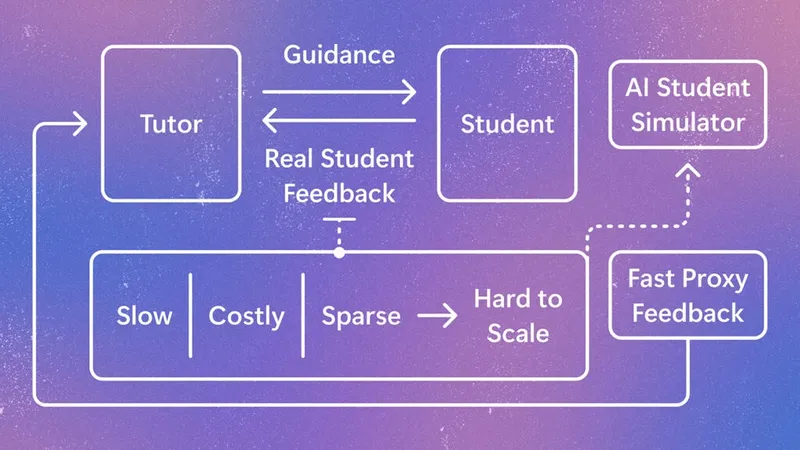
IT Home On October 17, Microsoft Research released the research system StudentSim on October 12. It attempts to solve a key challenge in the development of AI tutoring tools: how to determine whether a lecture, hint, or question truly helps students improve, without large-scale real human experiments.
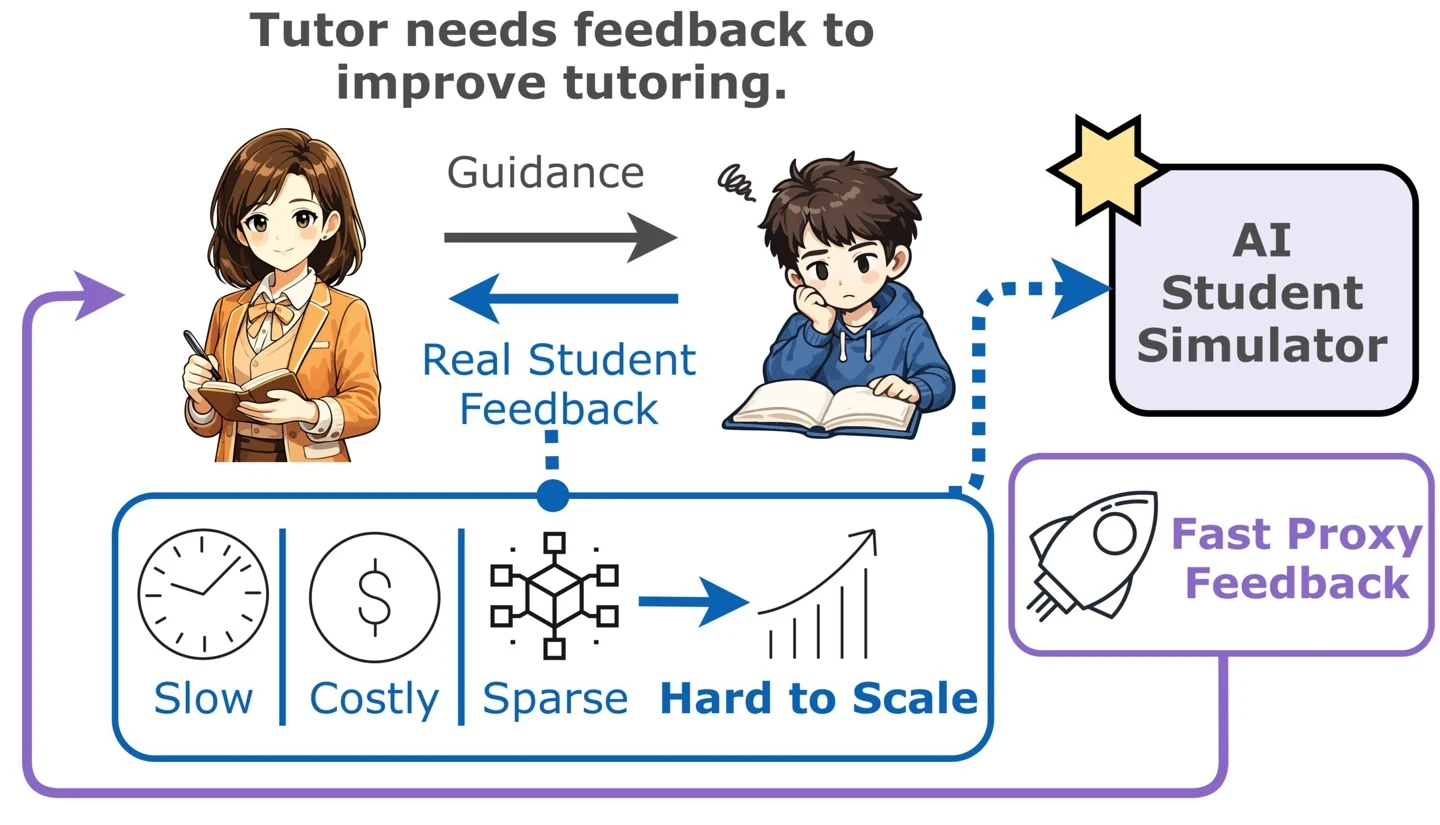
Traditional AI tutors often only check whether the “answer is correct,” but the teaching effectiveness also depends on whether students understand it, can correct their mistakes, and whether different students need different support. Real learners need research that can answer these questions, but this is time-consuming, expensive, and difficult to scale, making it hard to support rapid model iteration.
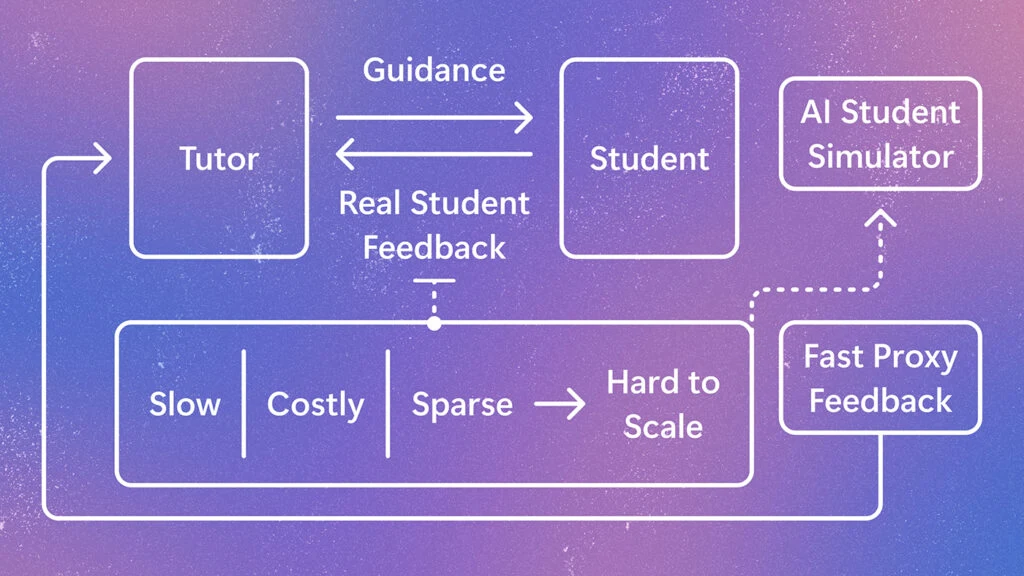
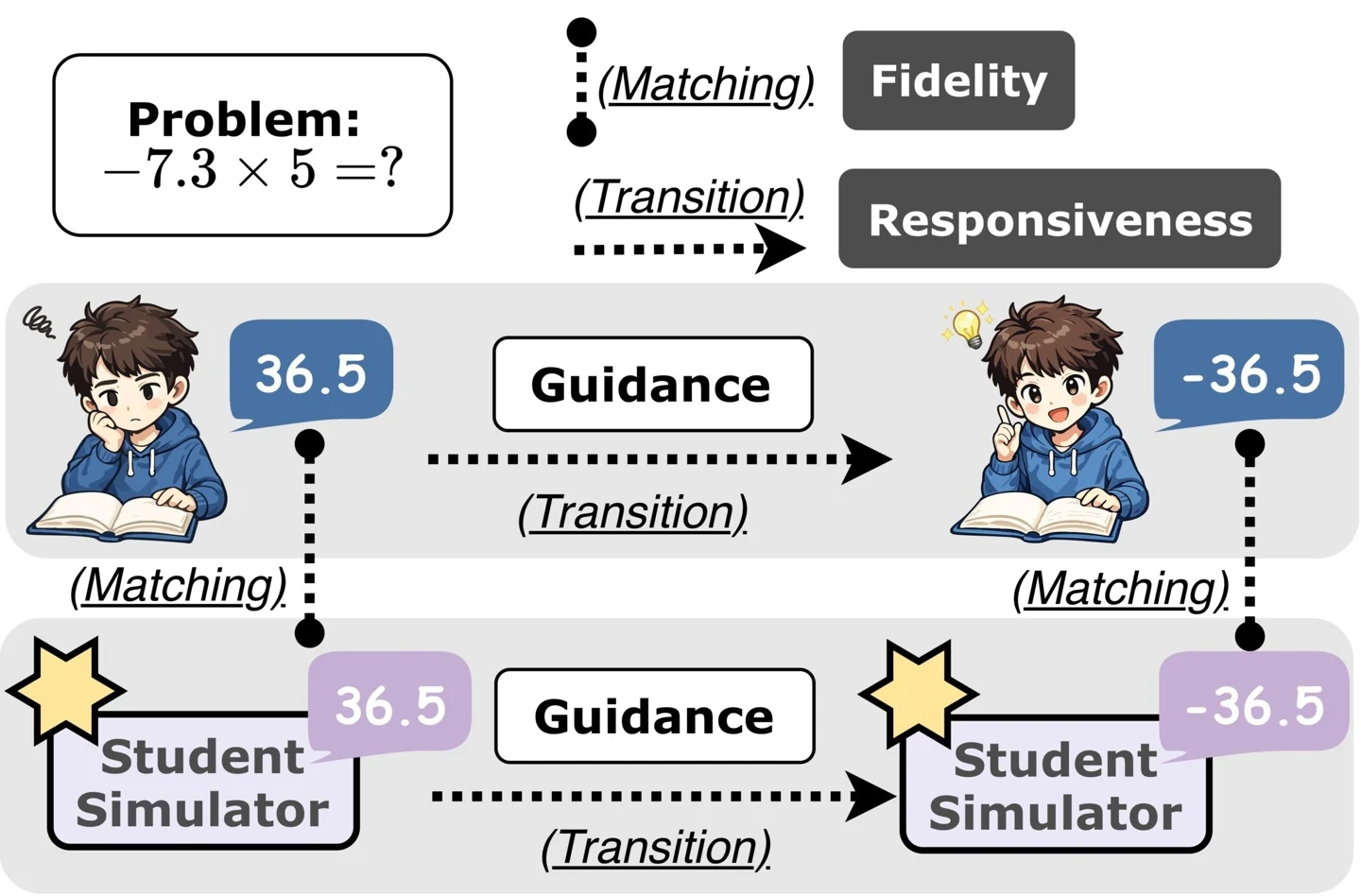
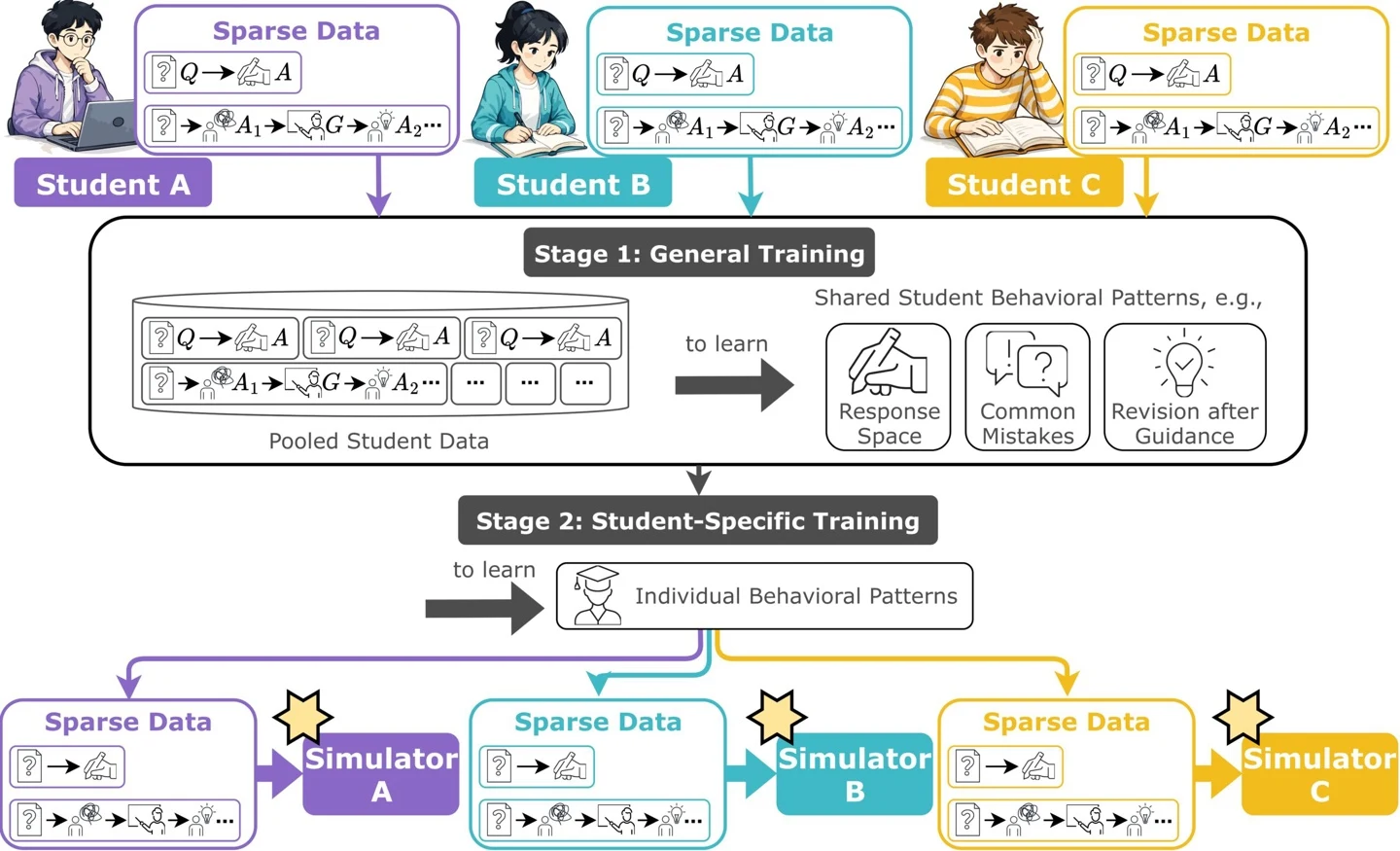
Microsoft has introduced the StudentSim system for this purpose. Based on publicly available, de-identified learner records, it trains a personalized “AI student simulator” for each student. It not only simulates how students answer independently, but also mimics the changes in their responses after receiving guidance from instructors.
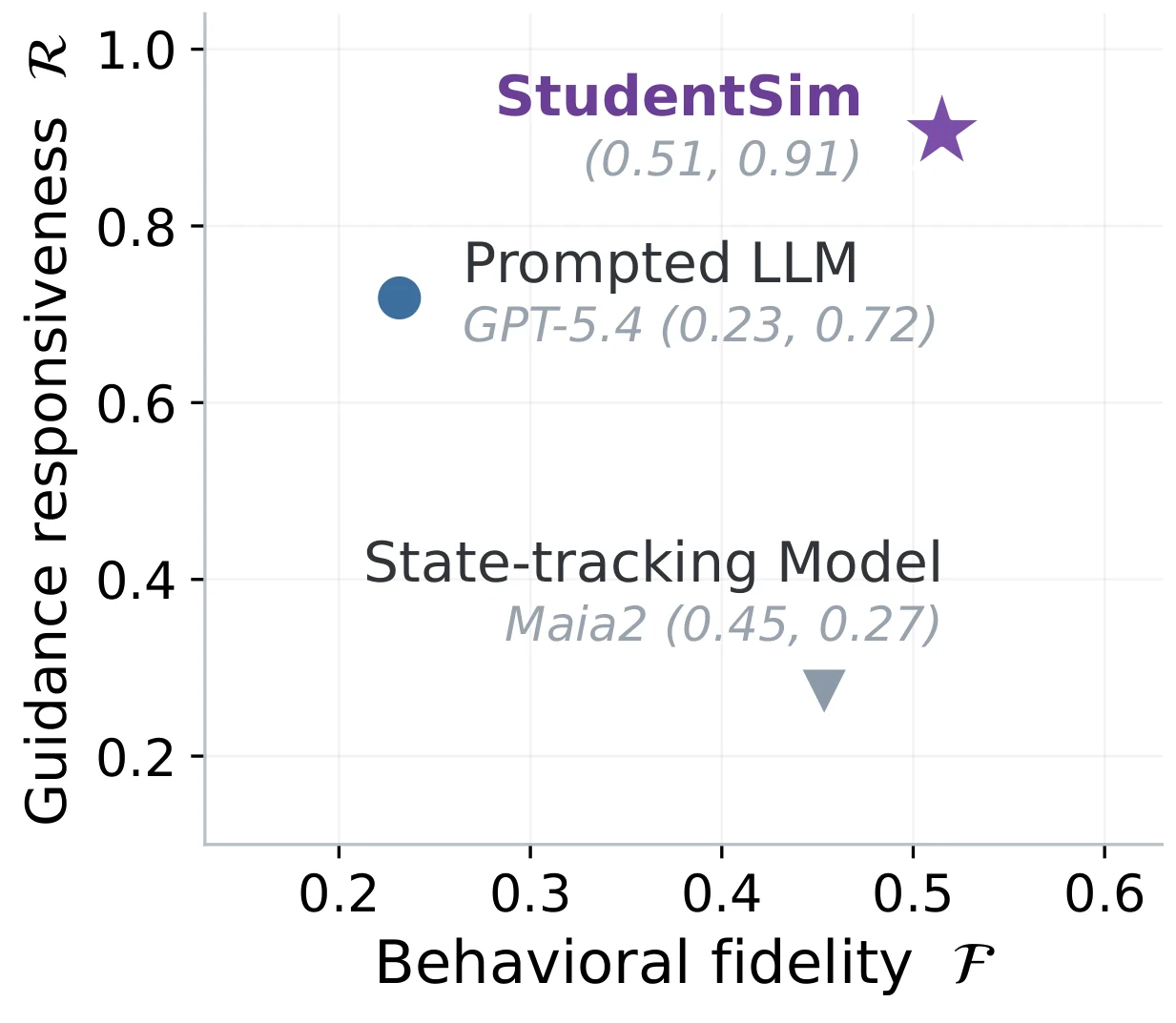
The research team evaluated the simulator based on two metrics: “behavior fidelity” and “guidance responsiveness”. The first metric checked whether it answered questions in a way similar to specific students, while the second metric checked whether it could reasonably update its answers after guidance.
The system uses a two-stage training approach: first, it learns common answering methods, error types, and post-tutorial corrections from the anonymous data of a large number of students in the same field, and then it adapts to individual students based on their limited records. The research covers three tasks: chess, writing in English as a second language, and mathematics, and it has developed the StudentSimEval evaluation benchmark.
The results show that StudentSim outperforms the main baseline in all three domains. Taking chess as an example, its behavior fidelity reaches 0.5150, and guidance responsiveness reaches 0.9067, both of which are higher than those of GPT-5.4 and the dedicated chess model Maia2.
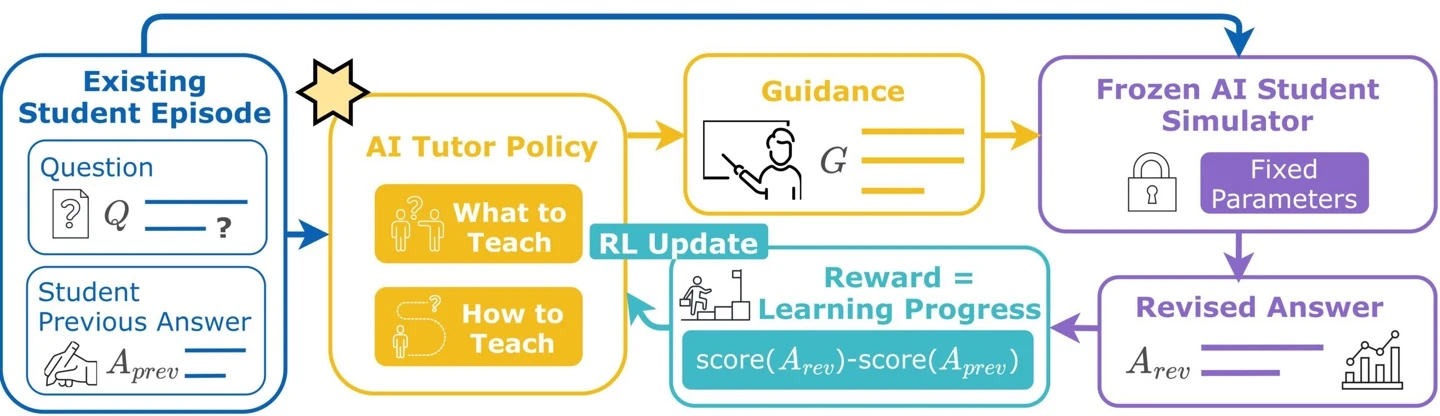
In the reinforcement learning experiments of the AI chess tutor, the accuracy of the tutor trained with StudentSim feedback reached 90.5%, which is higher than the 75.7% baseline without reinforcement learning and the 71.6% achieved when using GPT-5.4 simulation feedback.
Microsoft emphasized that StudentSim is not a classroom product, and is not intended to replace teachers; it provides researchers with low-cost, scalable early feedback signals before real student testing.
IT Home provides reference addresses
Ad statement: The text contains external link references (including but not limited to hyperlinks, QR codes, passwords, etc.) designed to provide more information, save selection time, and the results are for reference only. Articles on IT Home that include external links comply with this statement.