
Project Suncatcherは、いつか機械学習インフラを宇宙にホストできるかを探る私たちのムーンショットプロジェクトです 🚀
そのためには、私たちのAIハードウェアが軌道上で動作できるかどうかを知る必要があります。TPUは宇宙飛行の物理的ストレスや、宇宙の放射線・極端な温度変化に耐えられるのでしょうか?これらは、Googleの研究者たちが過去数年にわたって探究してきた問いです。
先週、私たちは4つのTPUを搭載した最初のテスト衛星を軌道に打ち上げました。これで答えに一歩近づきました。
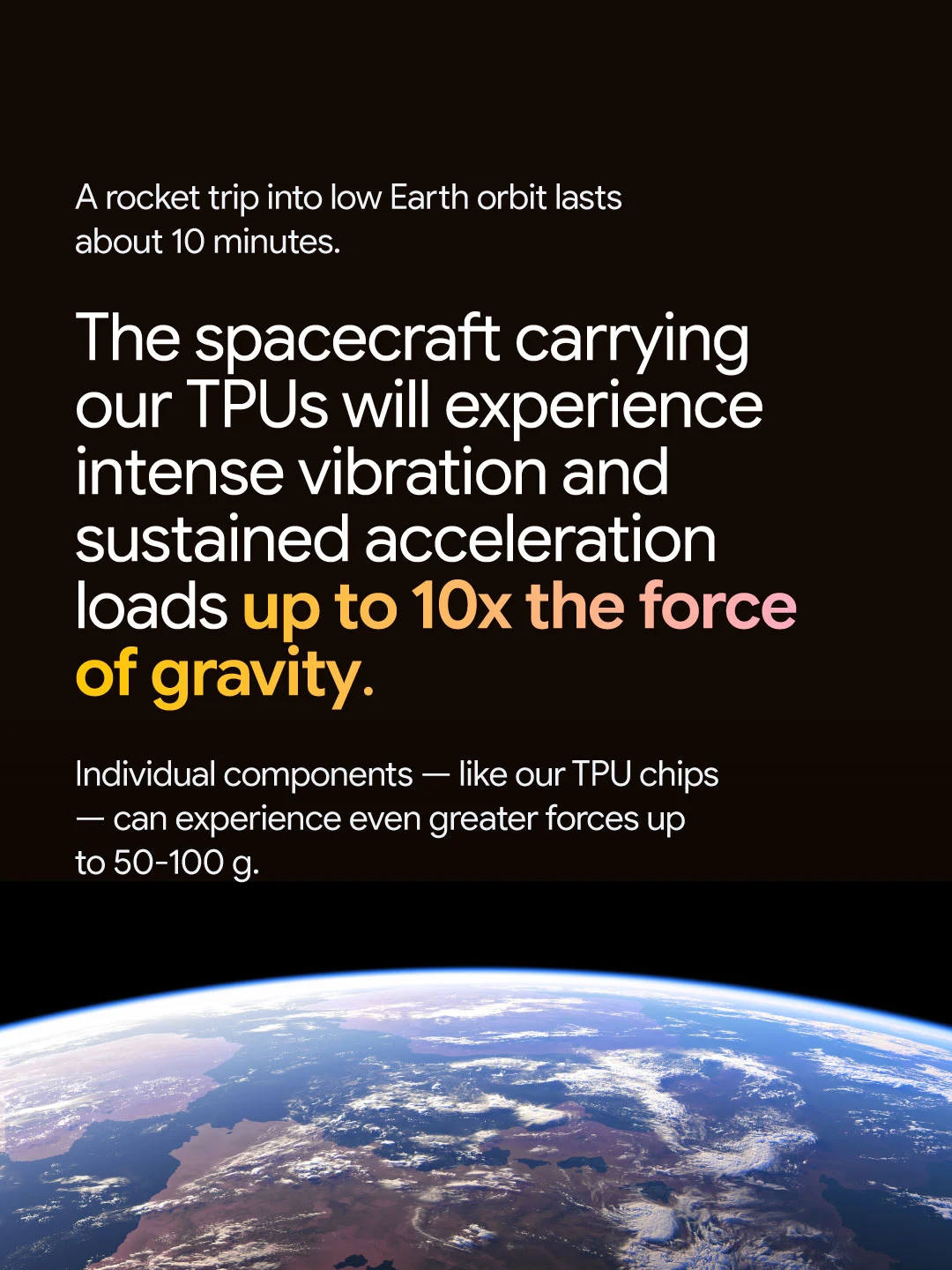
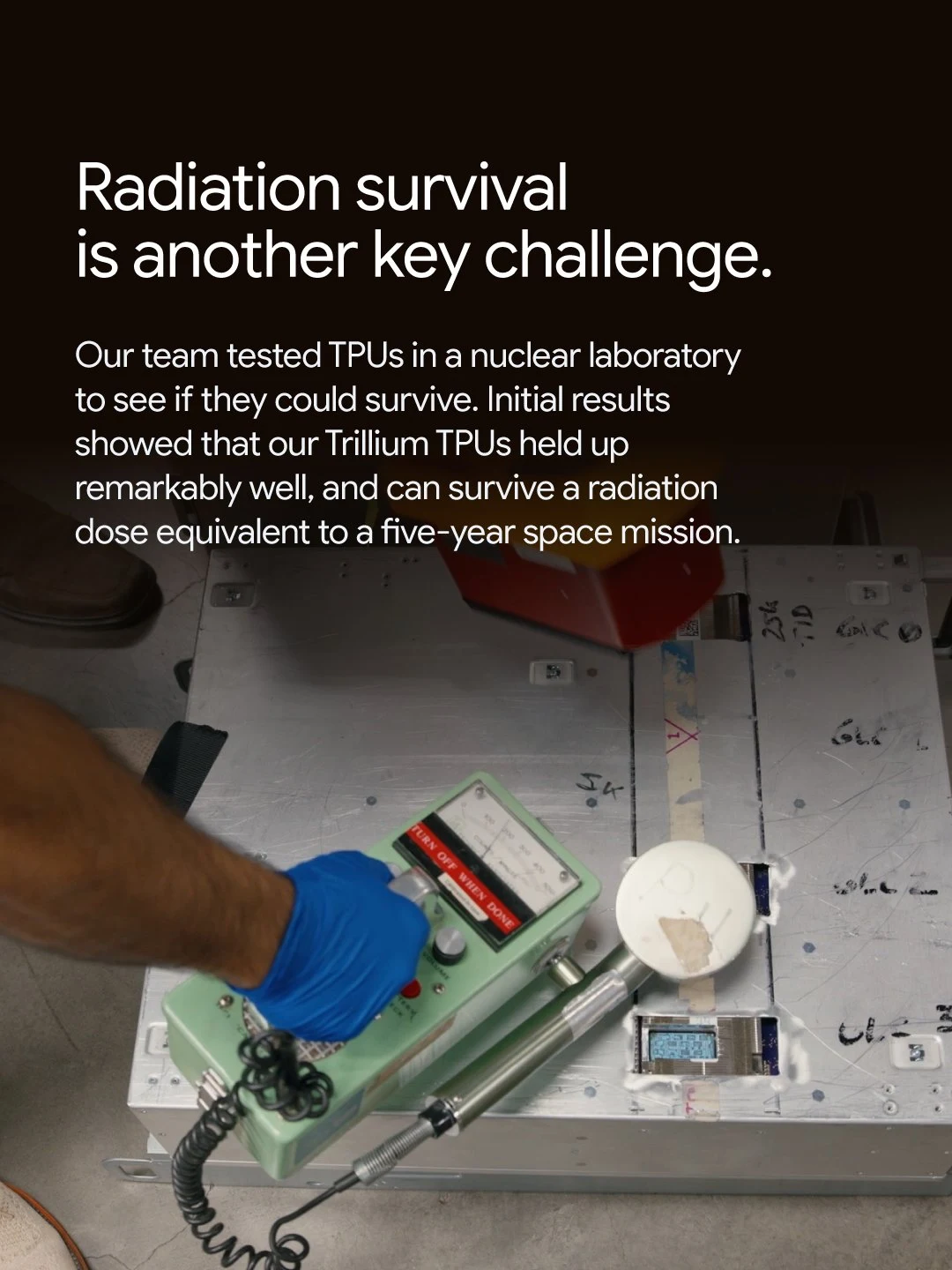
Project Suncatcherは、いつか機械学習インフラを宇宙にホストできるかを探る私たちのムーンショットプロジェクトです 🚀…
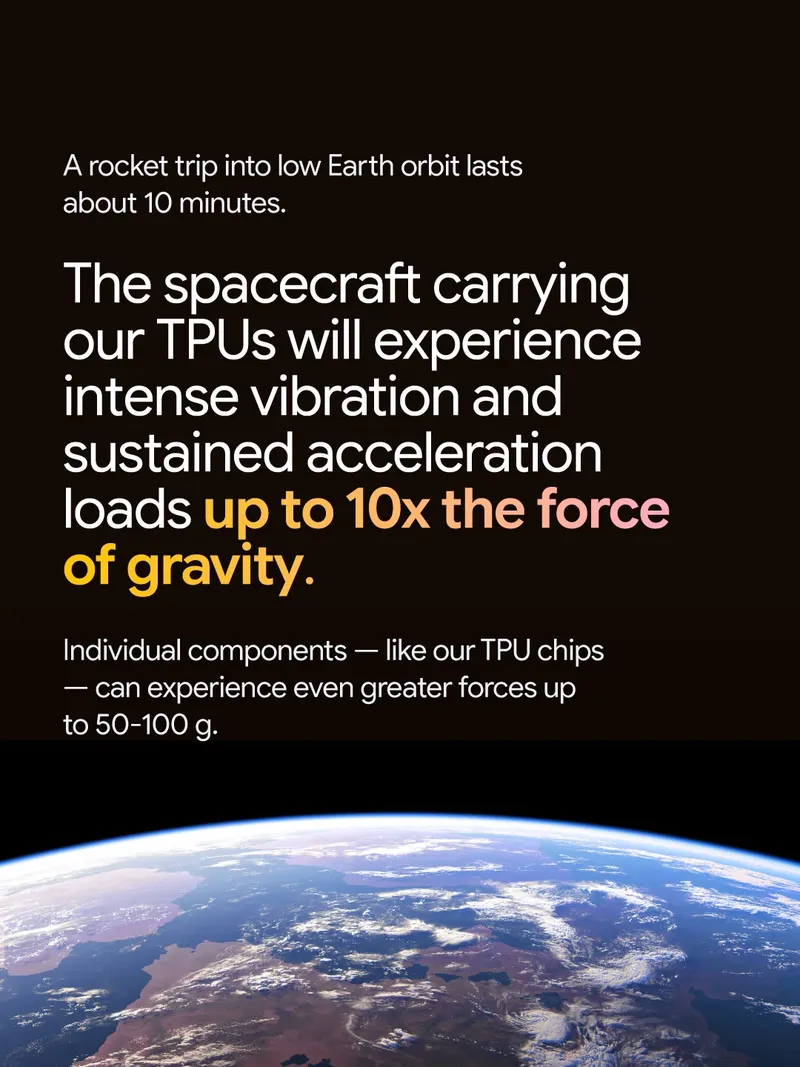
Project Suncatcherは、いつか機械学習インフラを宇宙にホストできるかを探る私たちのムーンショットプロジェクトです 🚀
そのためには、私たちのAIハードウェアが軌道上で動作できるかどうかを知る必要があります。TPUは宇宙飛行の物理的ストレスや、宇宙の放射線・極端な温度変化に耐えられるのでしょうか?これらは、Googleの研究者たちが過去数年にわたって探究してきた問いです。
先週、私たちは4つのTPUを搭載した最初のテスト衛星を軌道に打ち上げました。これで答えに一歩近づきました。
原文の公開と権利は出典元に帰属します。
機械翻訳 · 原文をご参照ください